


Description
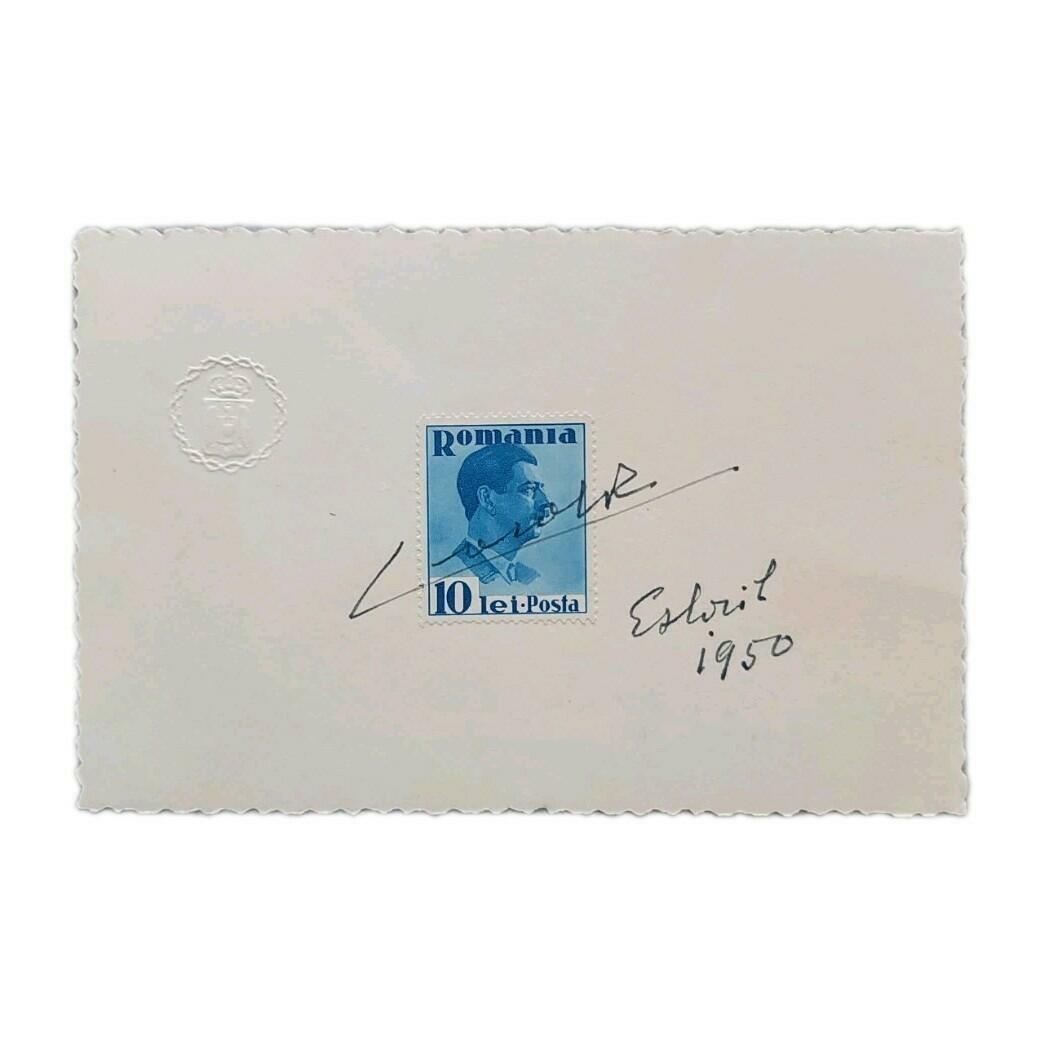
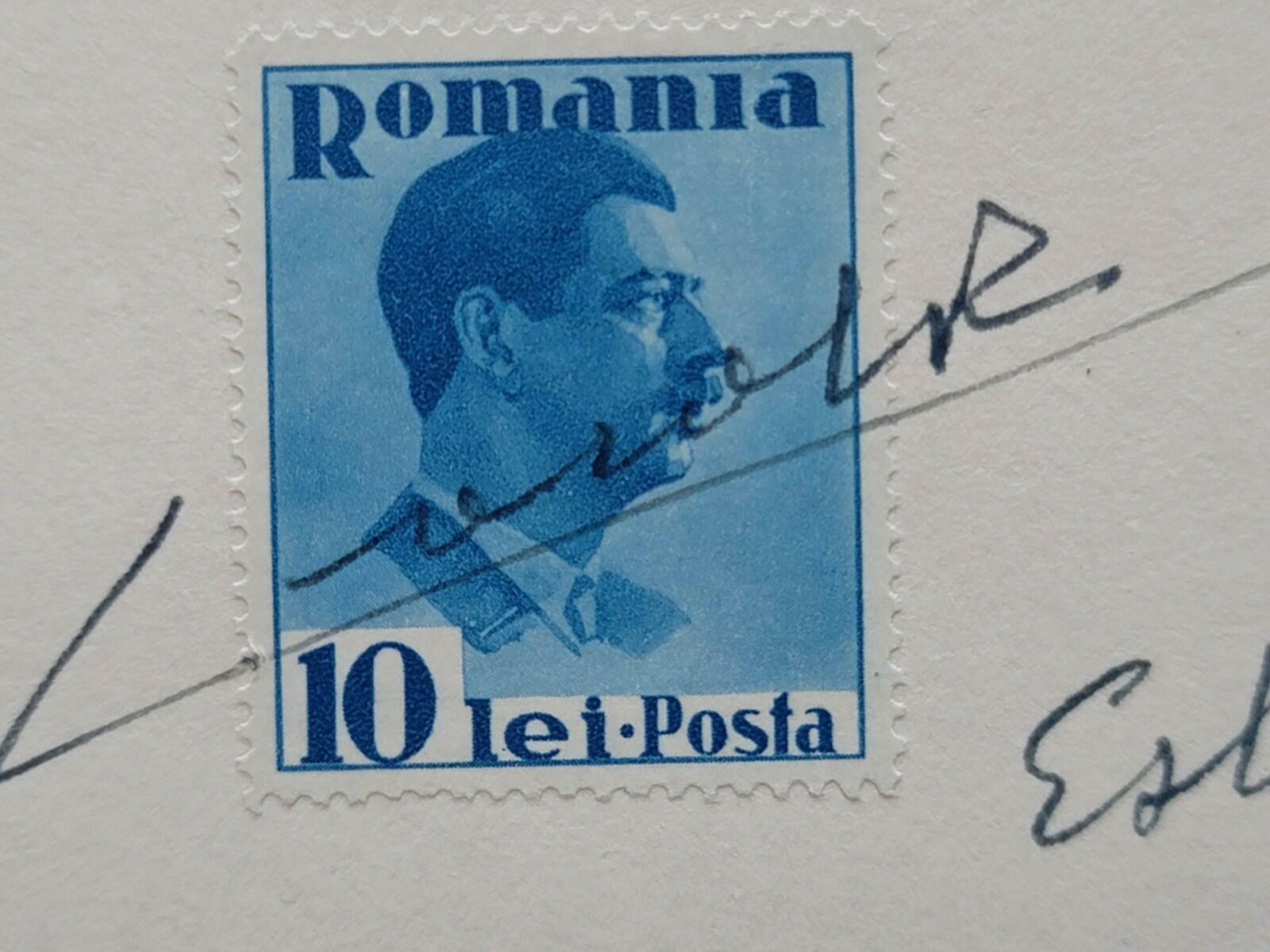
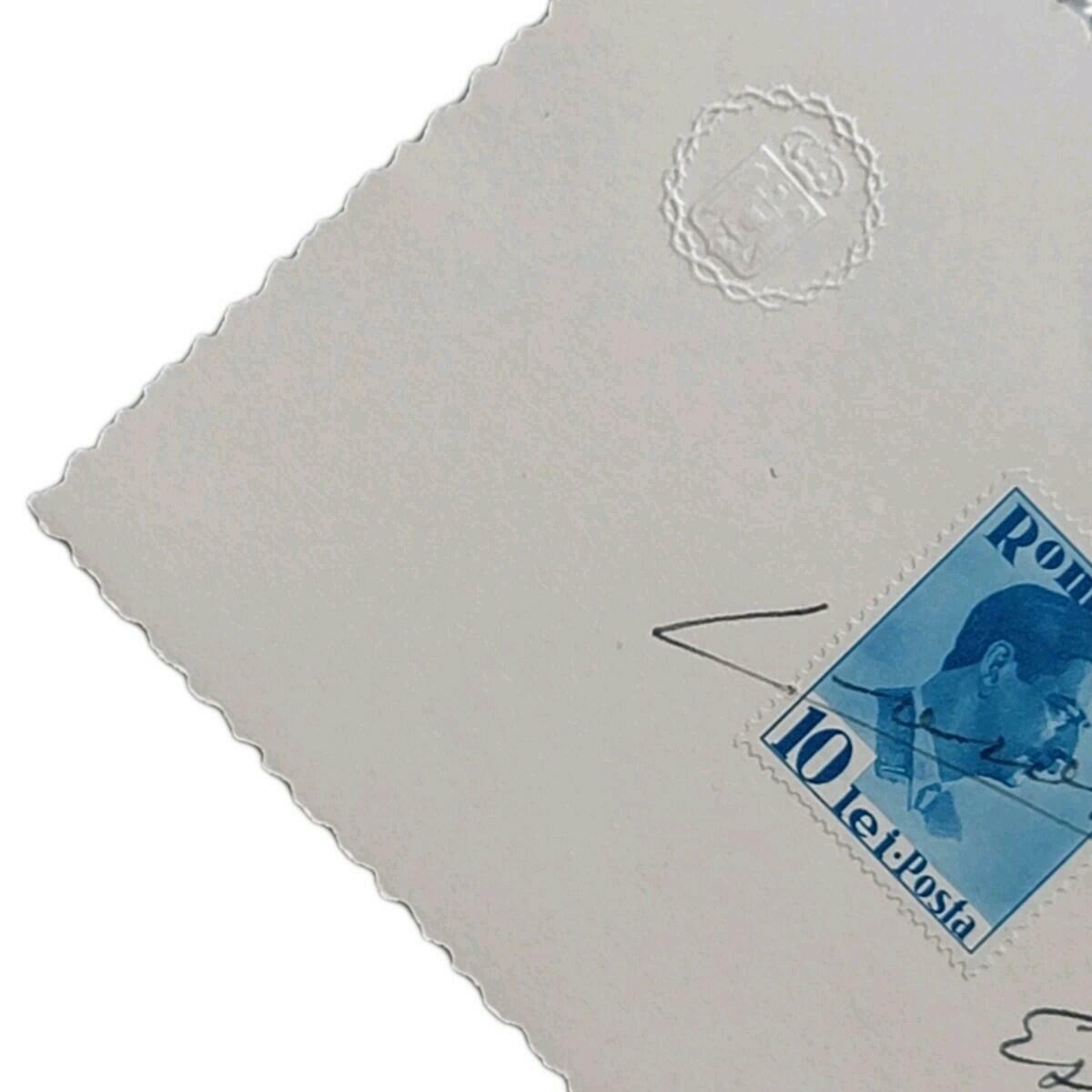
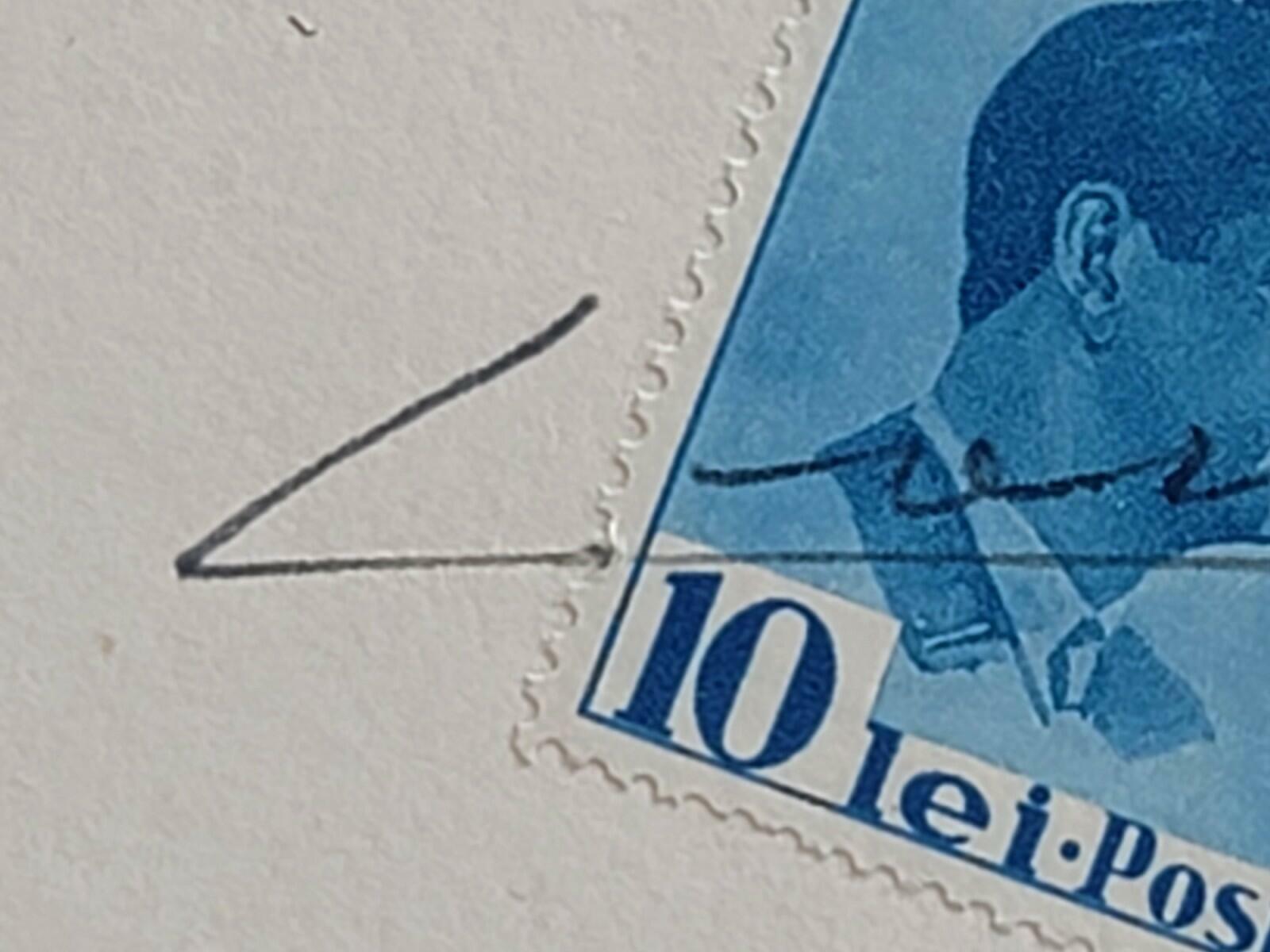
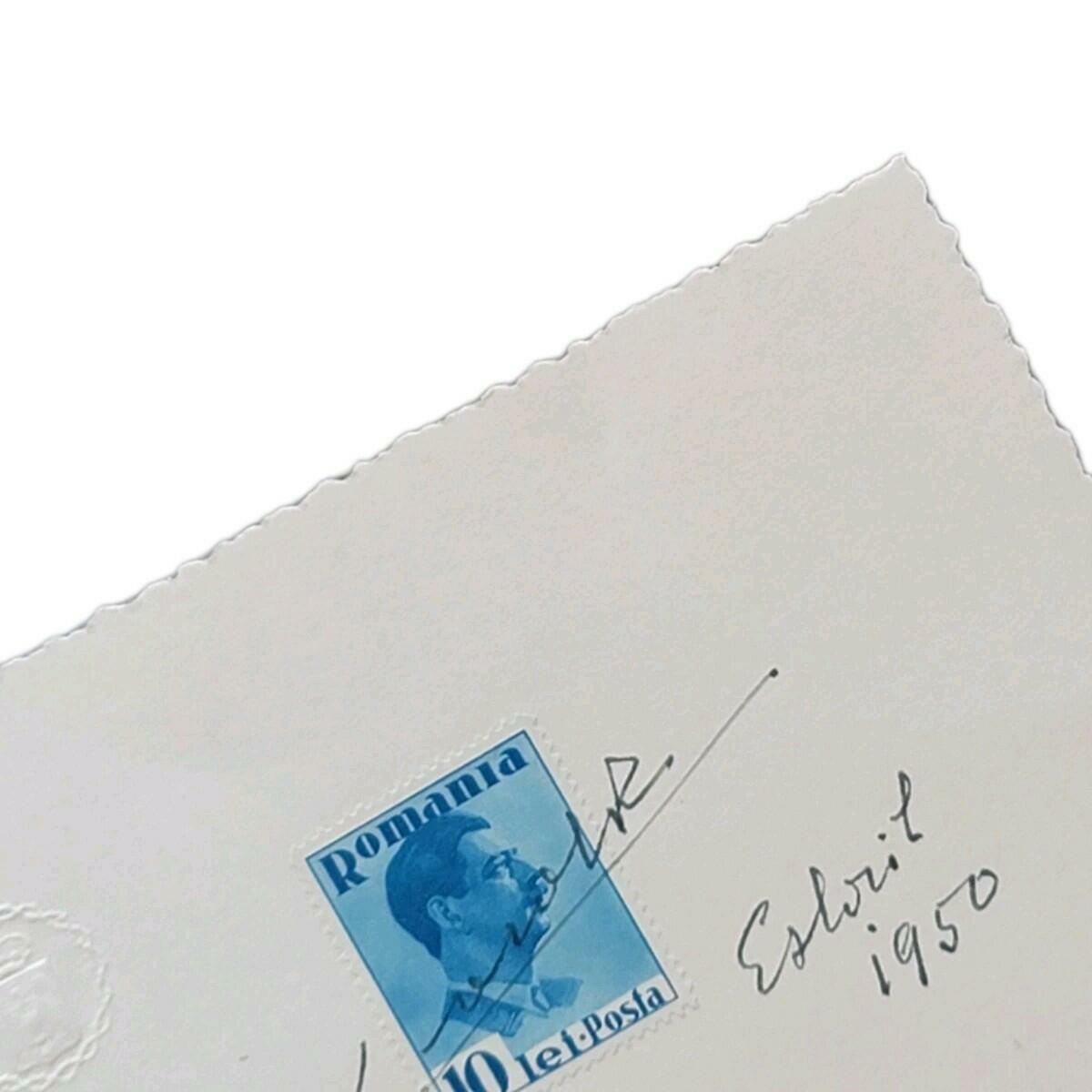
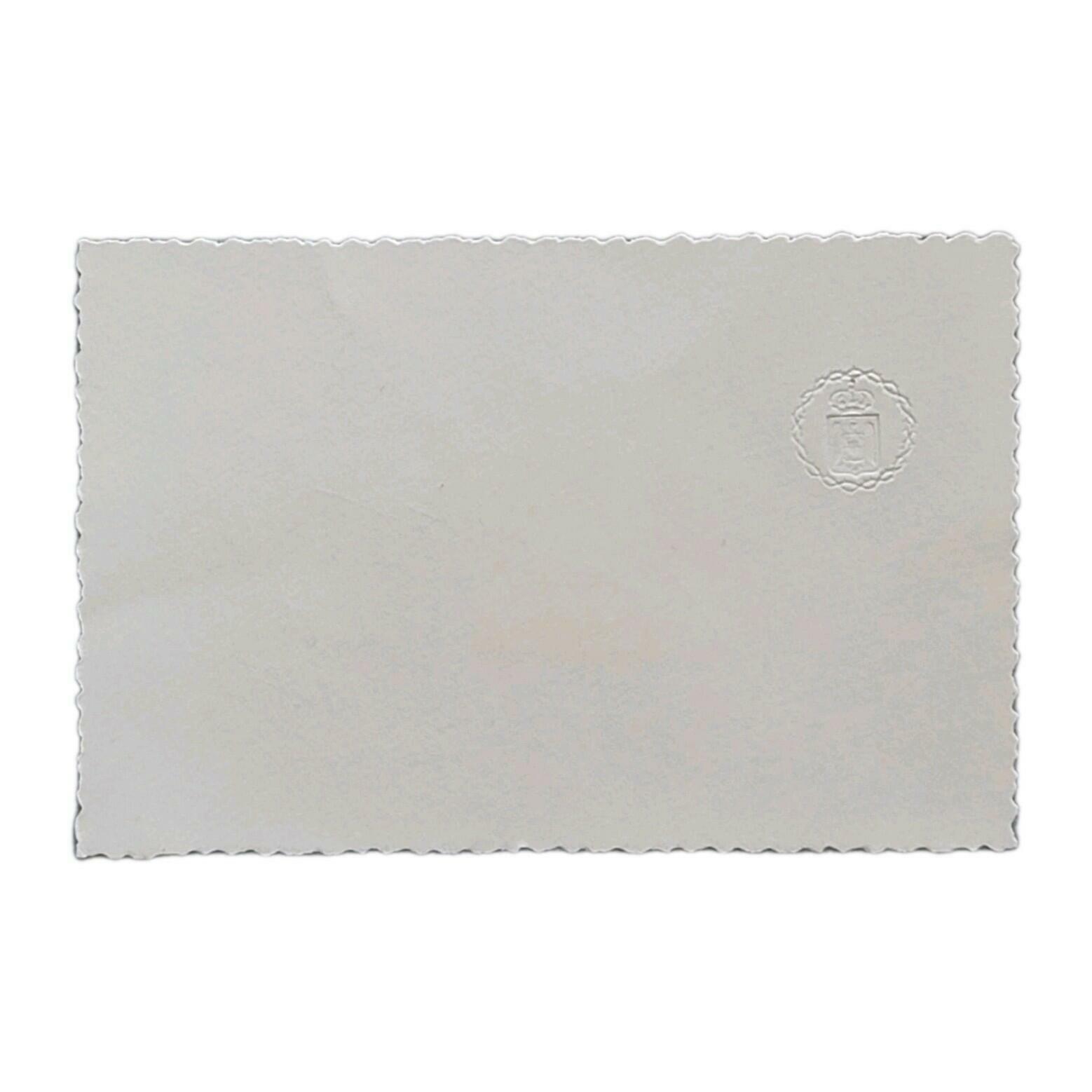
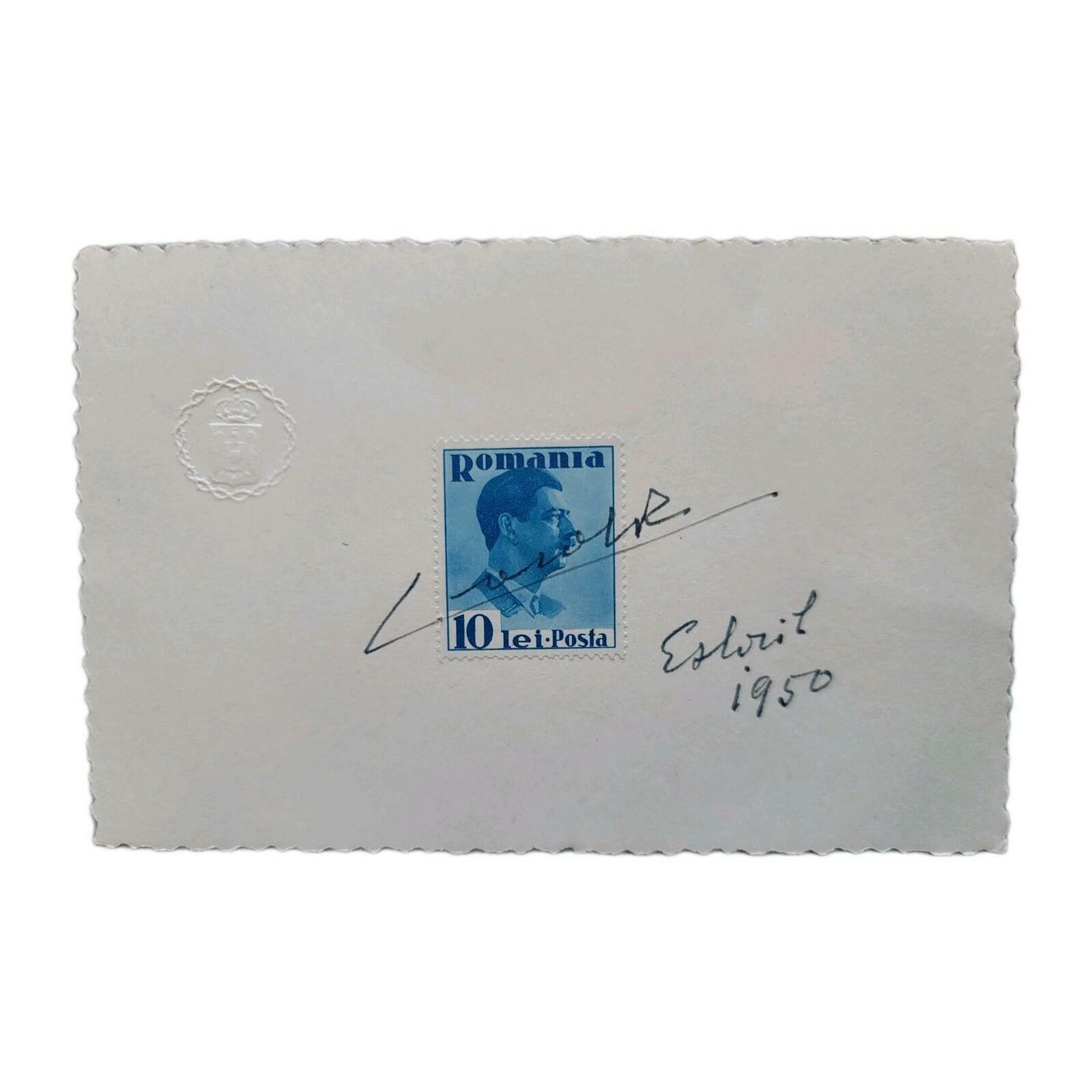
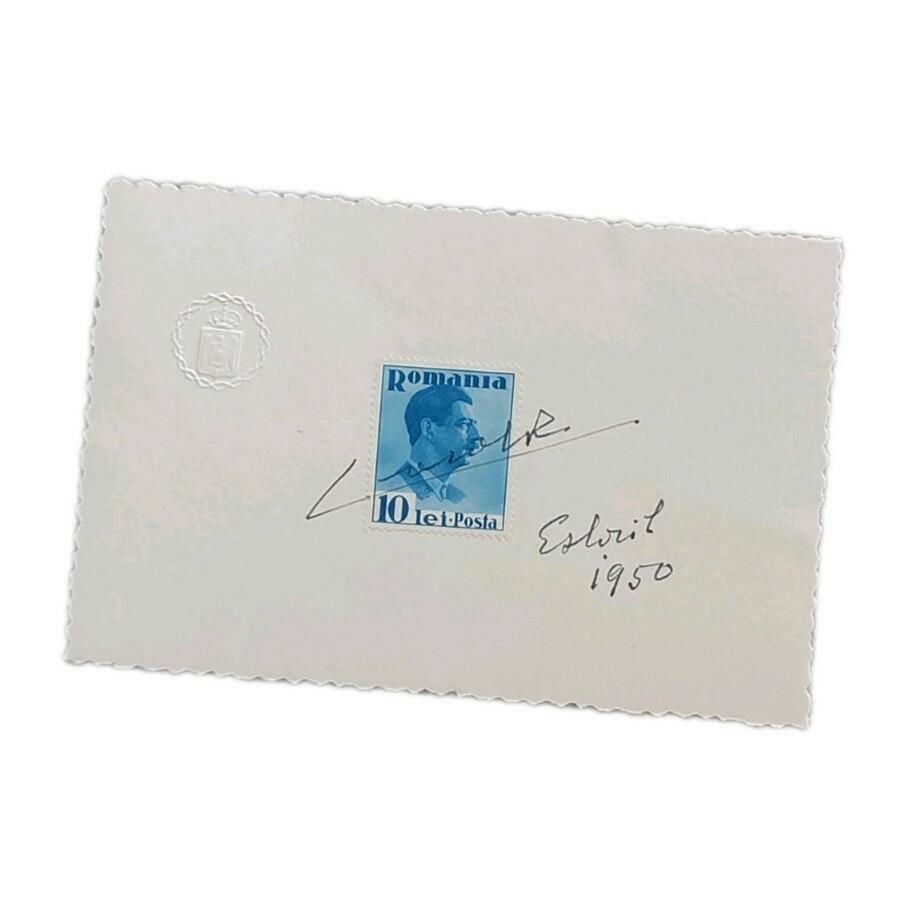
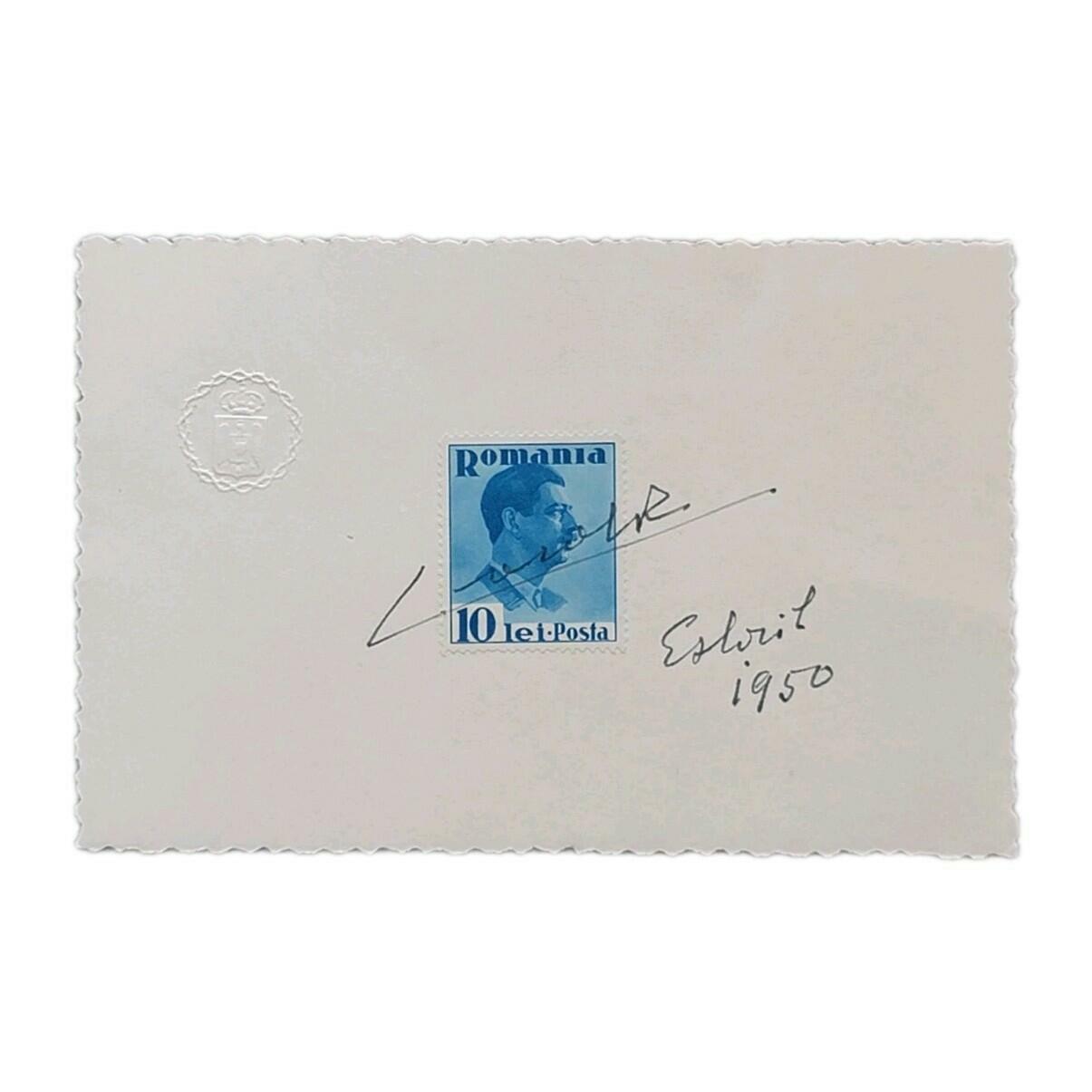
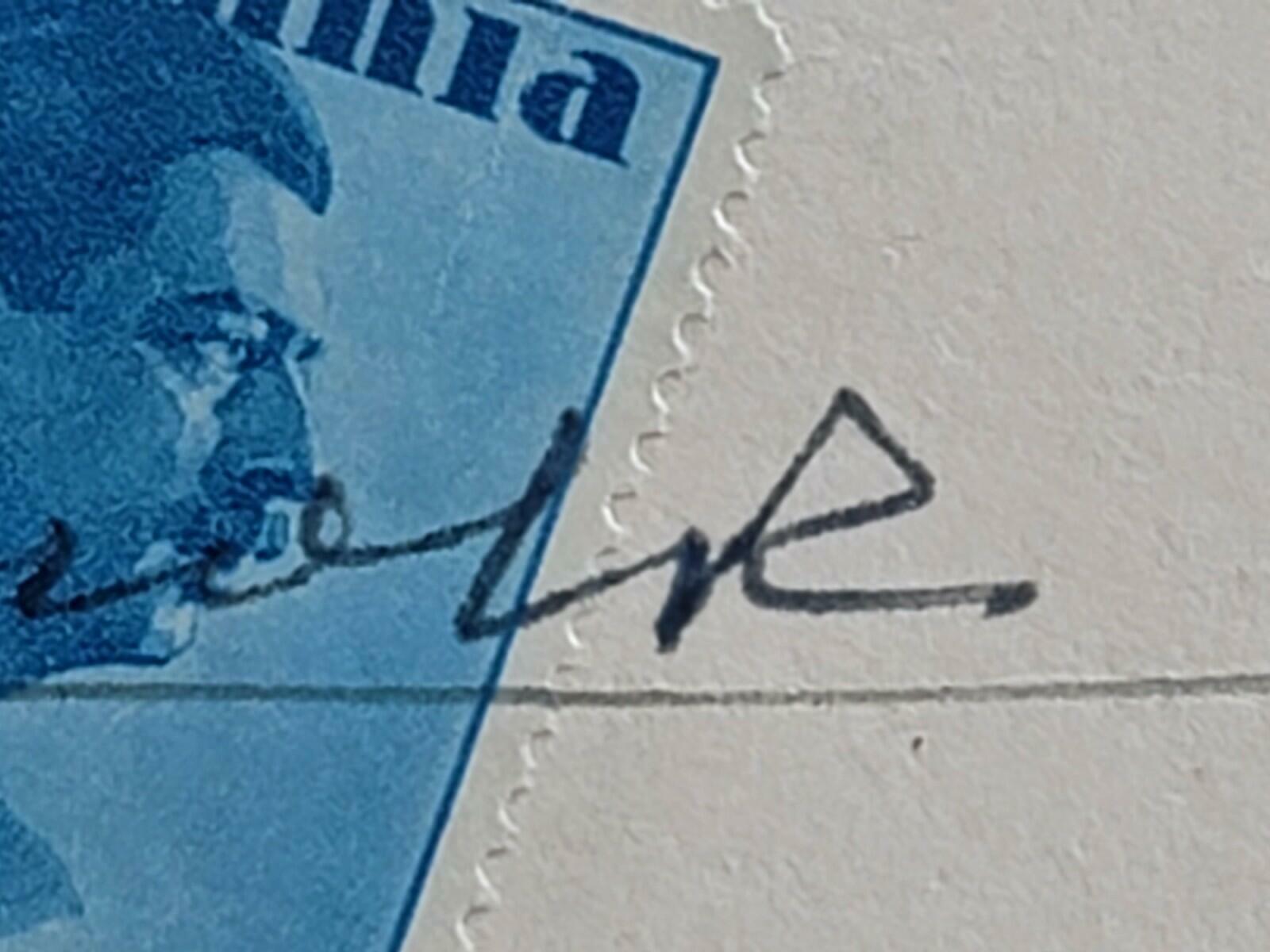
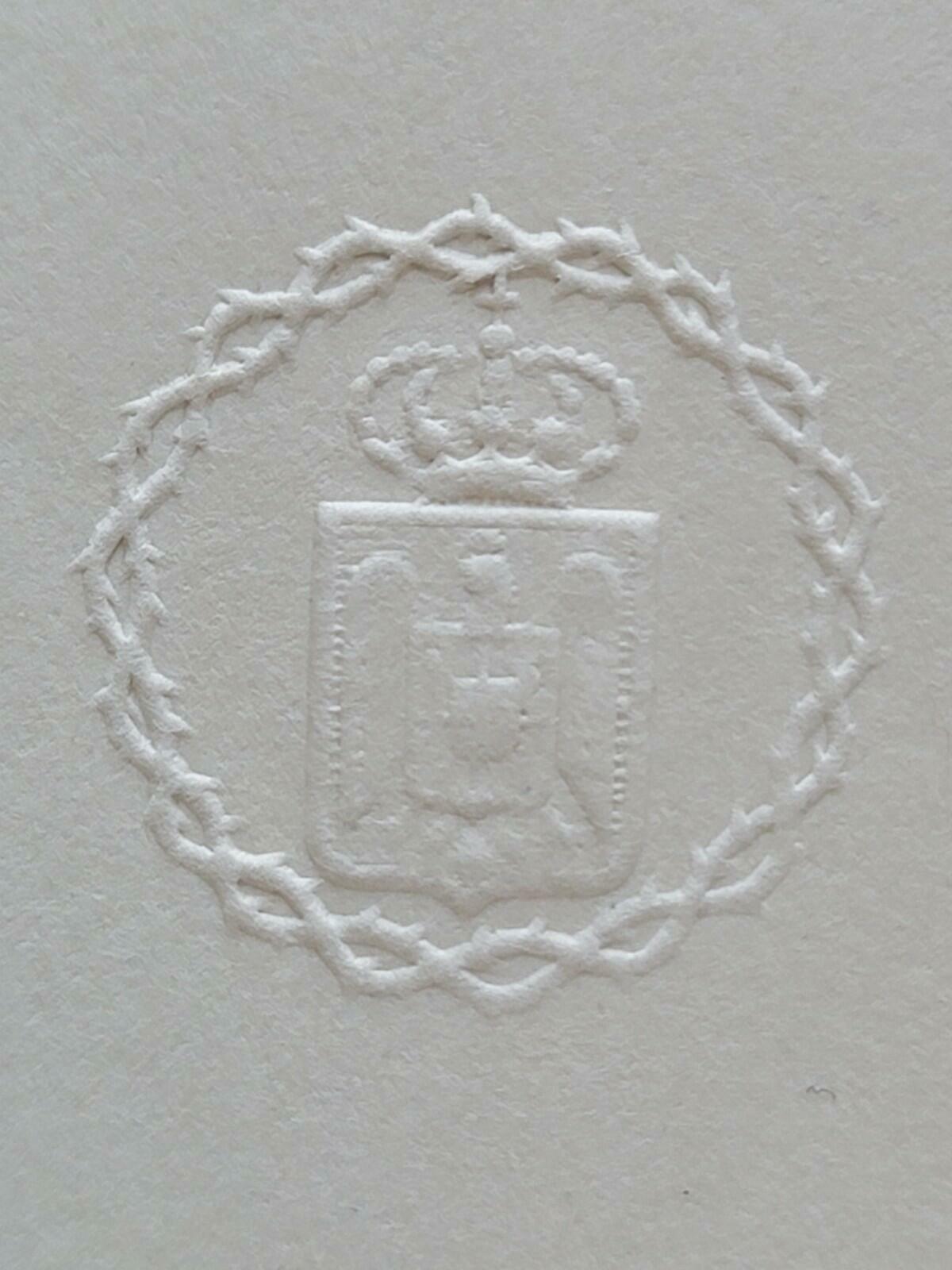
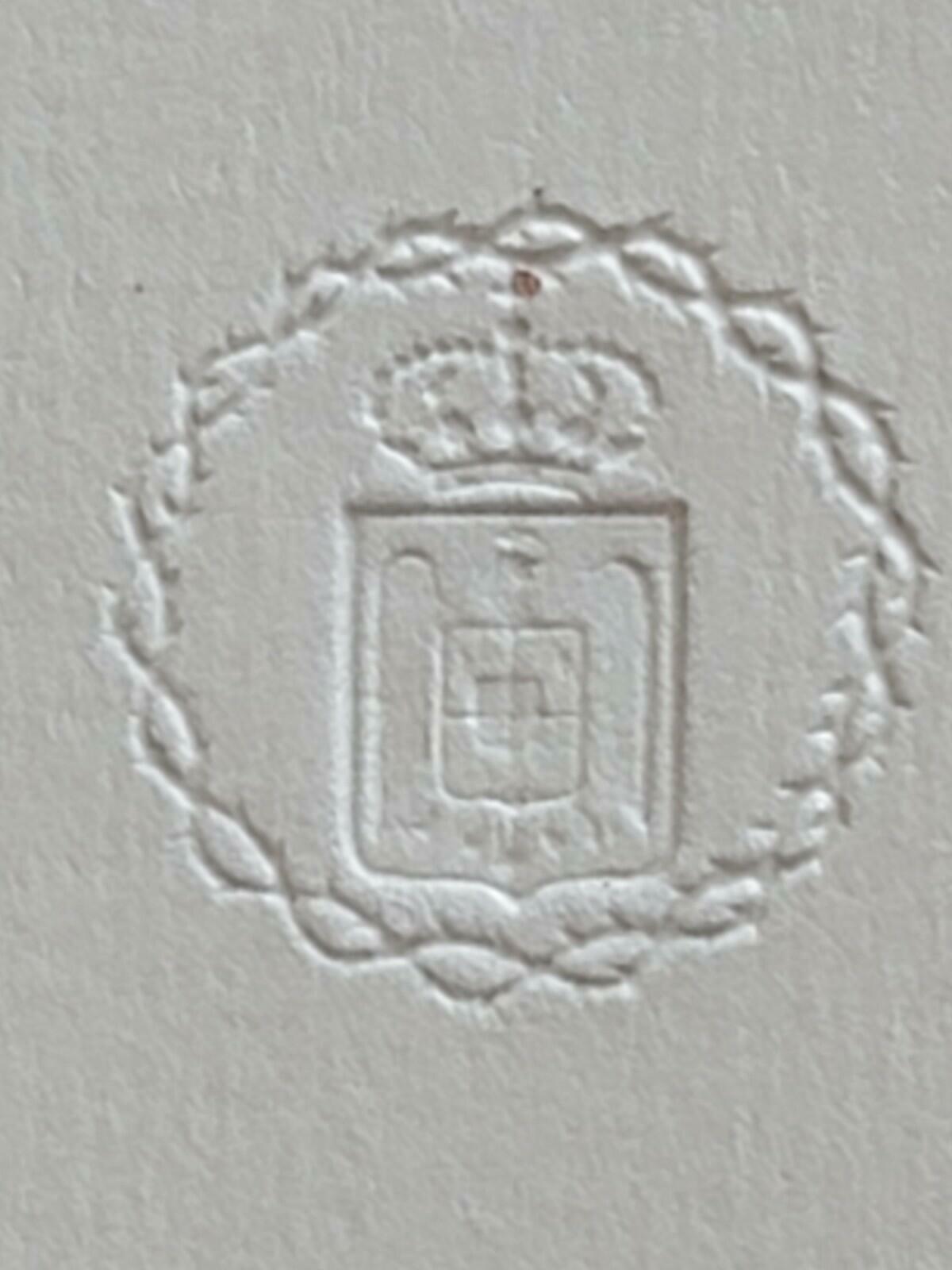
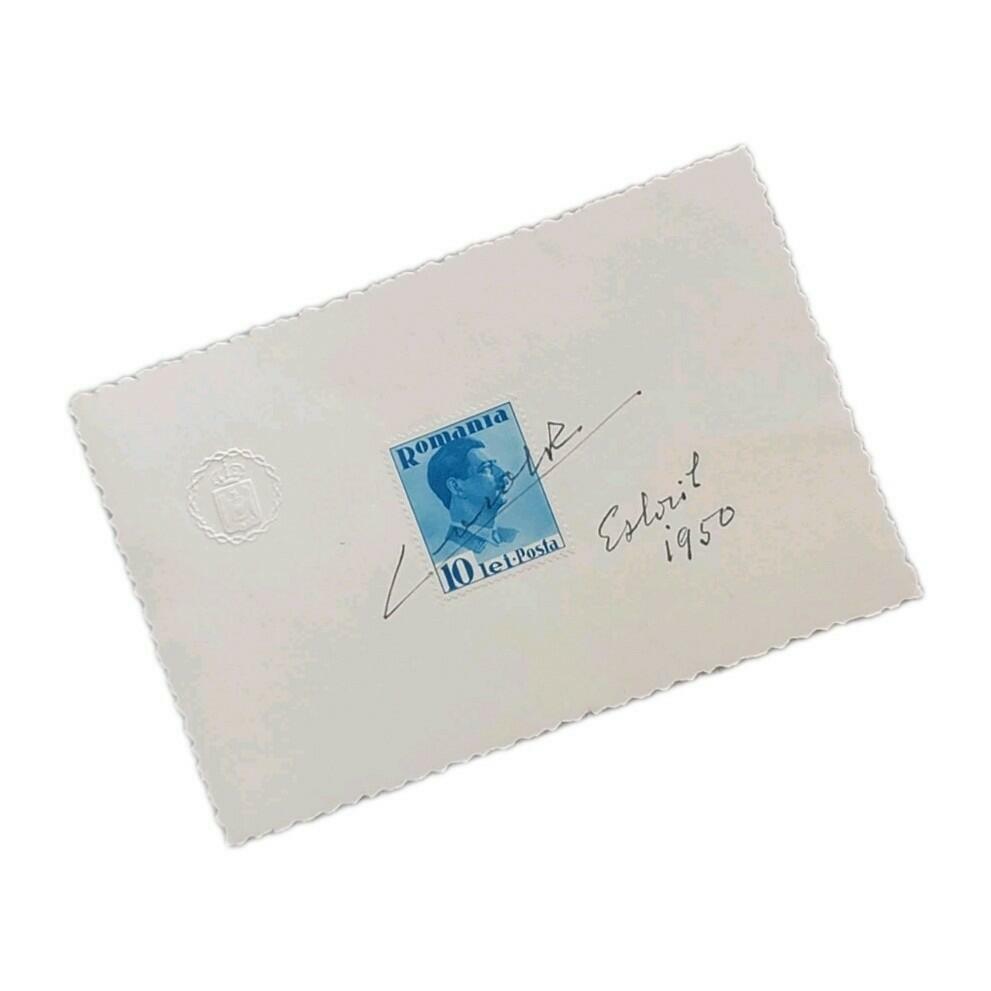
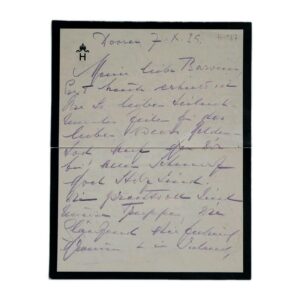
An exceptionally rare royal exile autograph of King Carol II of Romania (18931953), boldly signed upon embossed royal stationery and accompanied by a contemporary Romanian postage stamp depicting the monarch, additionally inscribed entirely in his hand, Estoril 1950. Few surviving artifacts capture with such immediacy the dramatic collapse of a European monarchy and the personal fate of its sovereign. Executed a decade after his forced abdication and only three years before his death, the present piece survives as a compelling firsthand relic of one of the most consequential royal exiles of the twentieth century.
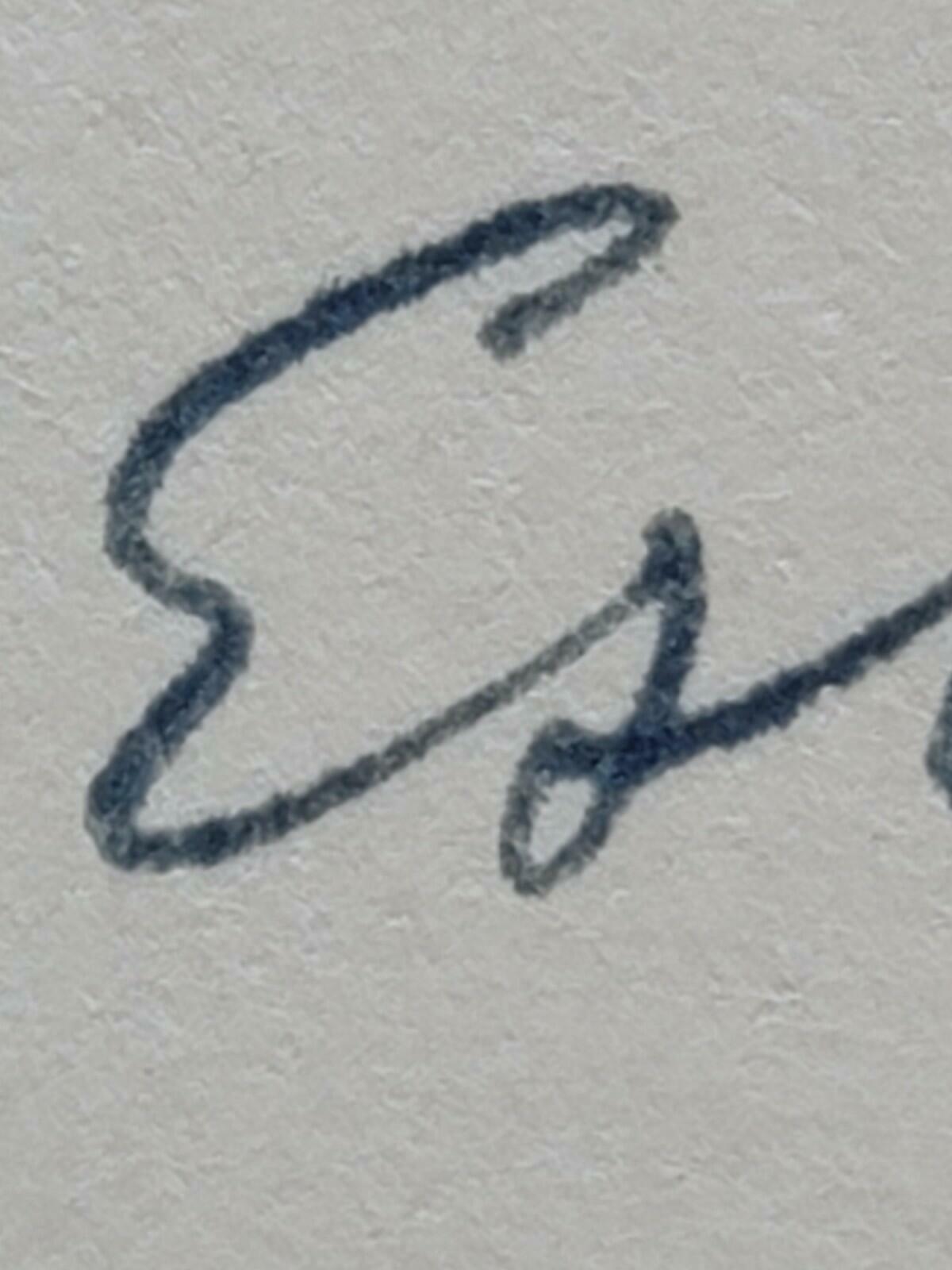
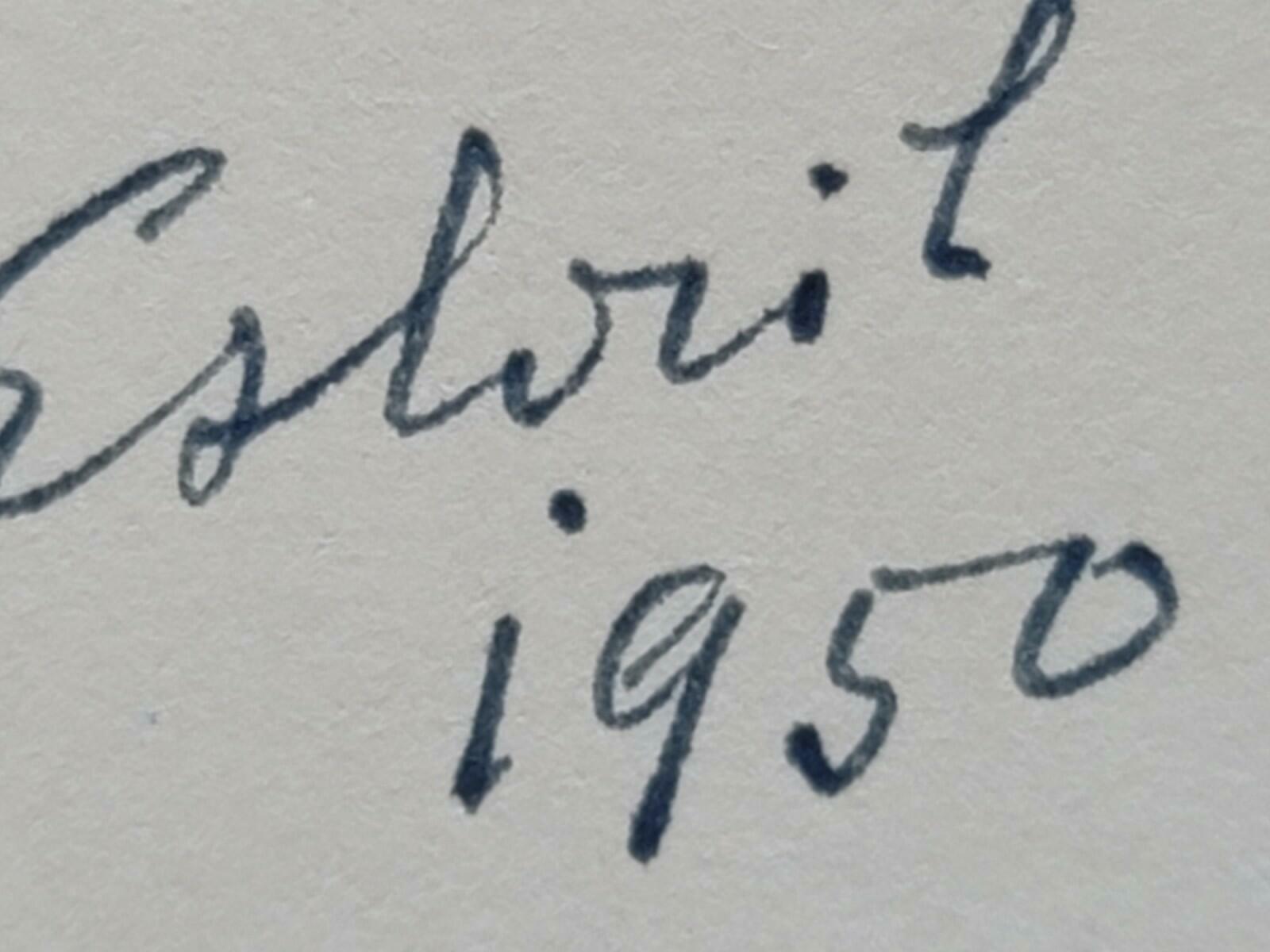
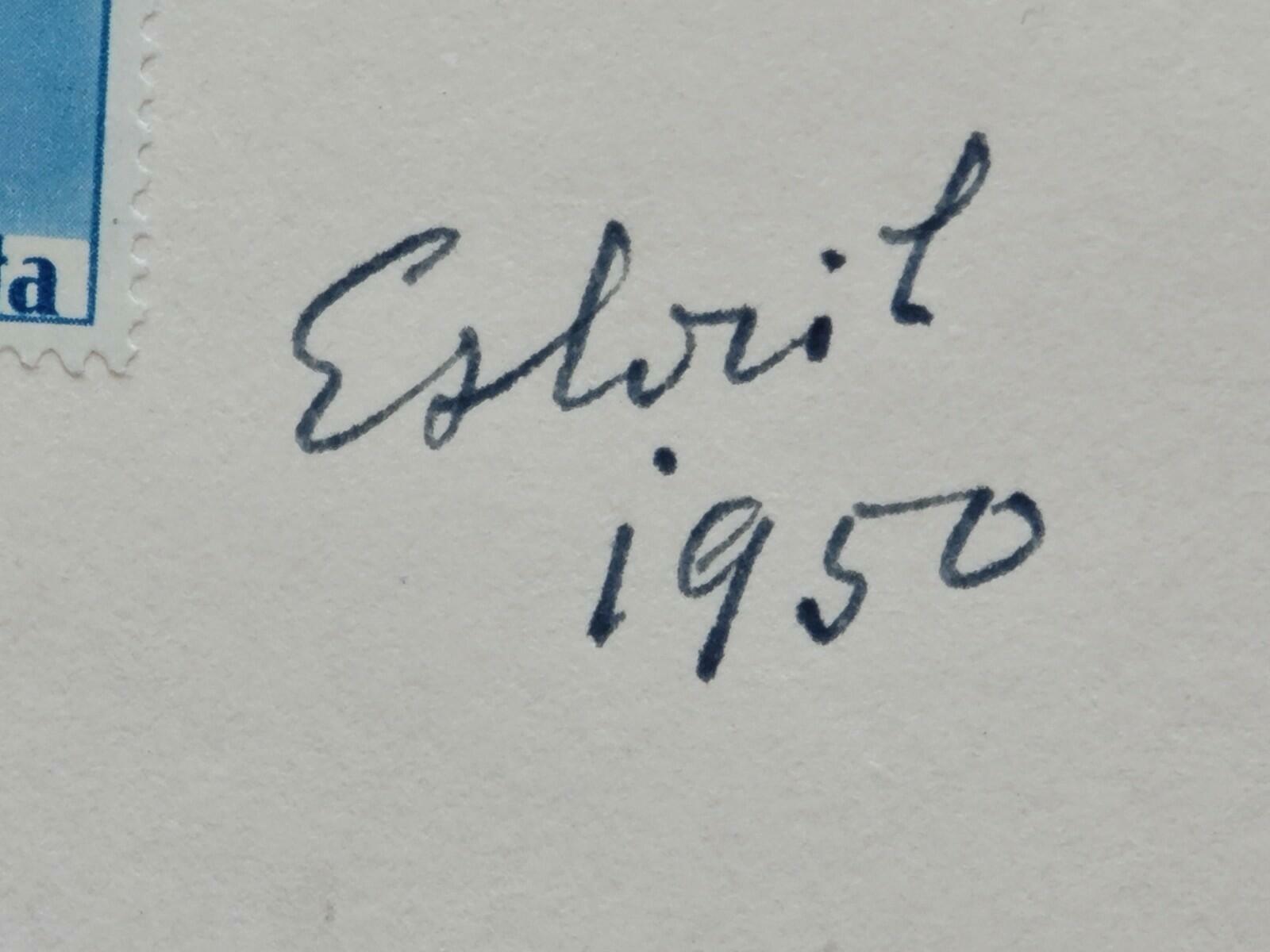
The historical importance of the inscription is considerable. Estoril, Portugal, emerged during the Second World War and its aftermath as one of Europes foremost centers of royal exile, providing refuge to an extraordinary concentration of deposed monarchs, pretenders, and displaced dynasties. Following his abdication in September 1940 amid territorial losses, political crisis, and the rise of authoritarian rule, Carol II spent the remainder of his life outside Romania. By 1950 he had become a monarch without a kingdom, a sovereign whose reign belonged to a vanished European order. The notation Estoril 1950, written entirely in the kings own hand, transforms the present piece from a desirable royal autograph into a deeply personal historical statement identifying both the place and period of his exile.
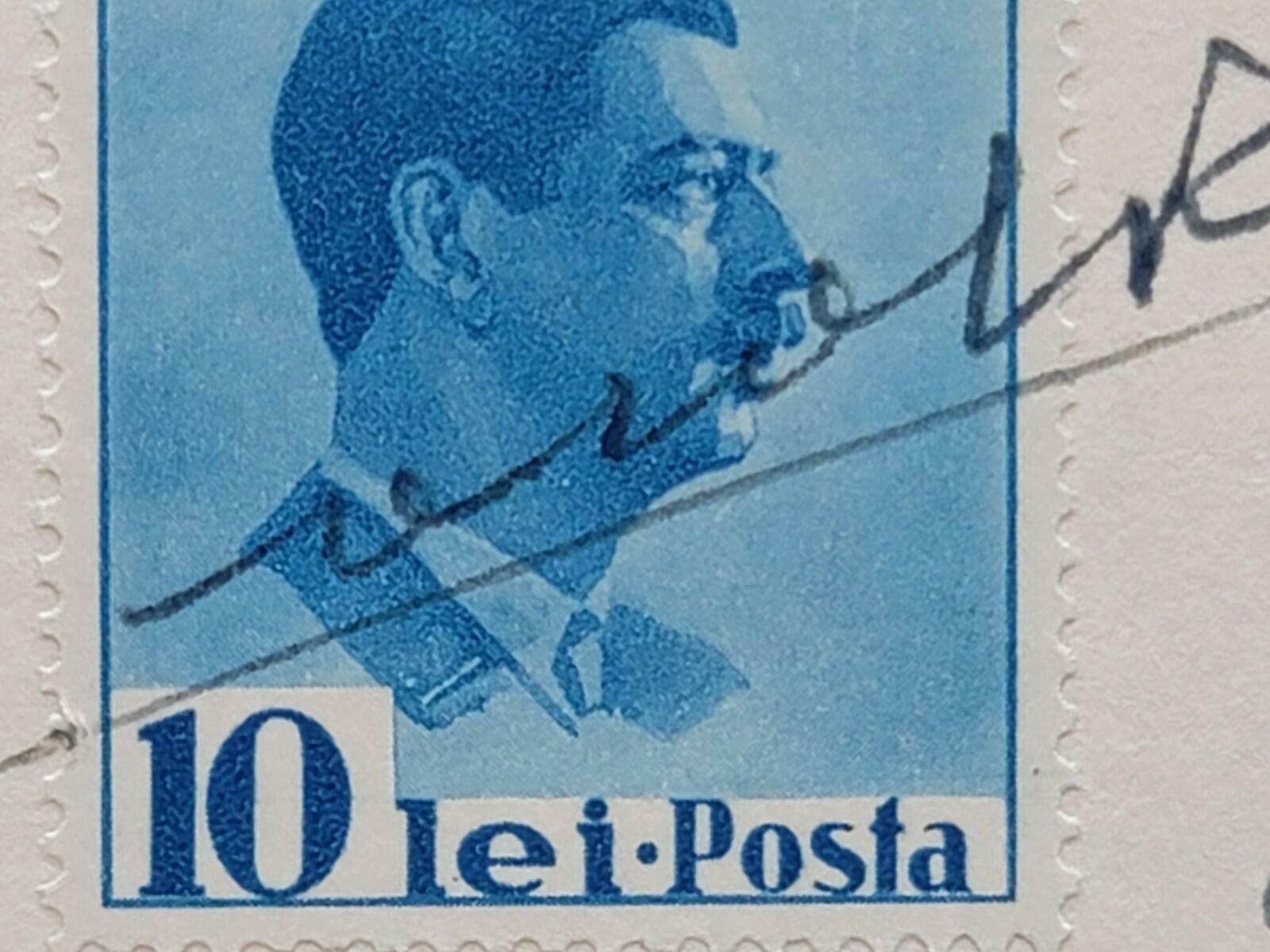
Particularly evocative is the juxtaposition of image and reality. The affixed postage stamp portrays Carol II at the height of his authority as reigning King of Romania, while the signature and inscription were added years after the collapse of his throne and the destruction of the political order over which he once presided. The result is a striking visual document linking sovereignty and dispossession, monarchy and exile, power and memory. Few surviving artifacts communicate so effectively the human dimension of dynastic decline.
Carol II occupies a singular position in modern European history. His reign witnessed profound political transformation, territorial crisis, the establishment of the royal dictatorship, and the final years of interwar Romania. His abdication in 1940 altered the course of Romanian history, paving the way for the accession of King Michael I of Romania and the turbulent wartime and postwar decades that followed. Material originating from Carols years in exile is substantially scarcer than that produced during his reign, while examples specifically identifying Estorilthe celebrated refuge of Europes displaced royaltyare particularly desirable and historically resonant.
Combining royal provenance, exile history, philatelic significance, and an exceptionally meaningful contemporary inscription, this remarkable signed piece transcends the category of a conventional royal autograph. It survives as a tangible witness to the final chapter of the Romanian monarchy and a rare testament to the personal circumstances of a deposed king, embodying the intersection of dynastic history, political upheaval, and royal memory.
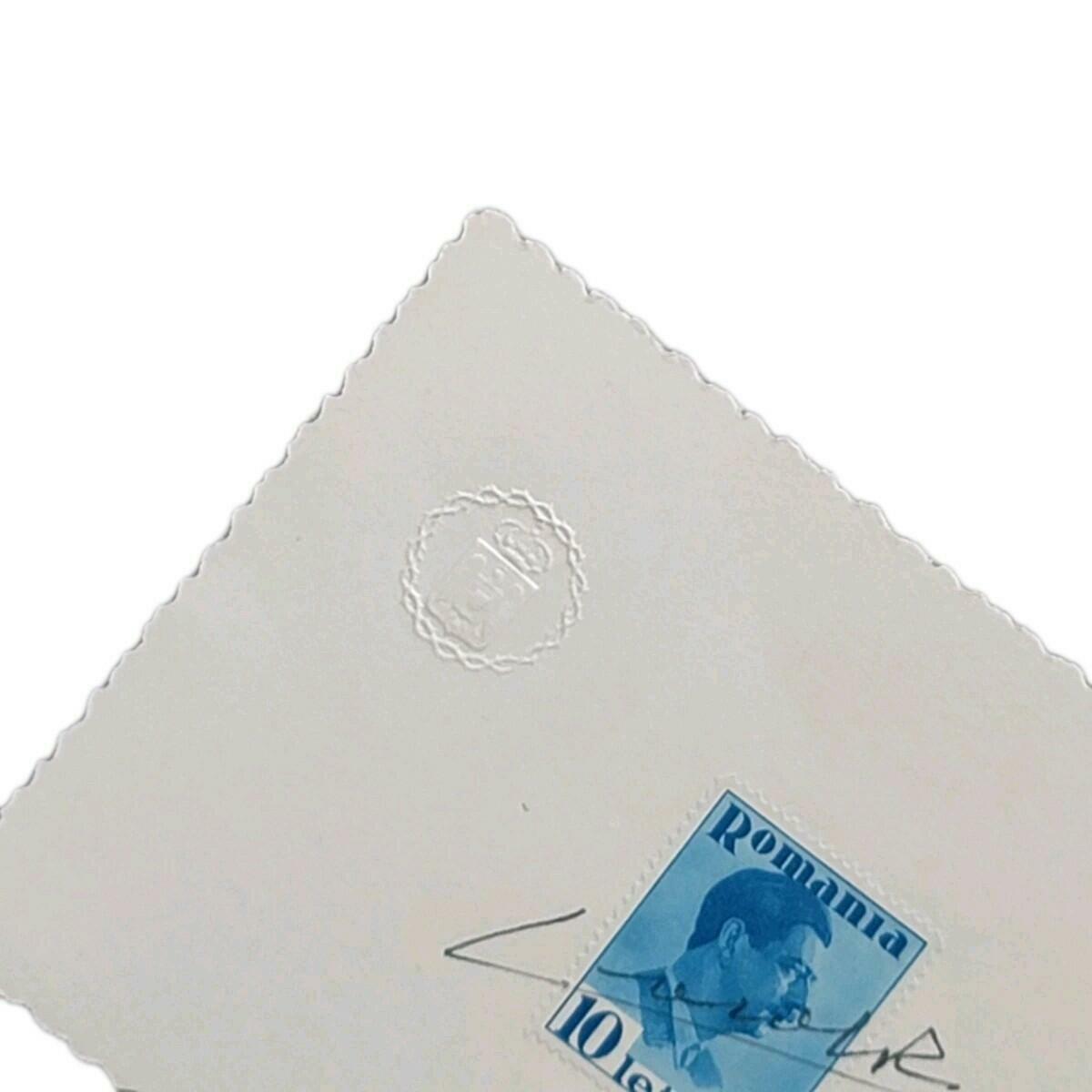
Condition: Very good overall. The embossed royal device remains clearly visible, the postage stamp is well preserved, and the signature together with the inscription Estoril 1950 is bold, attractive, and highly legible. Measuring approximately 5.5 x 3.5 inches (14 x 8.9 cm).
Reviews
There are no reviews yet.