
Description
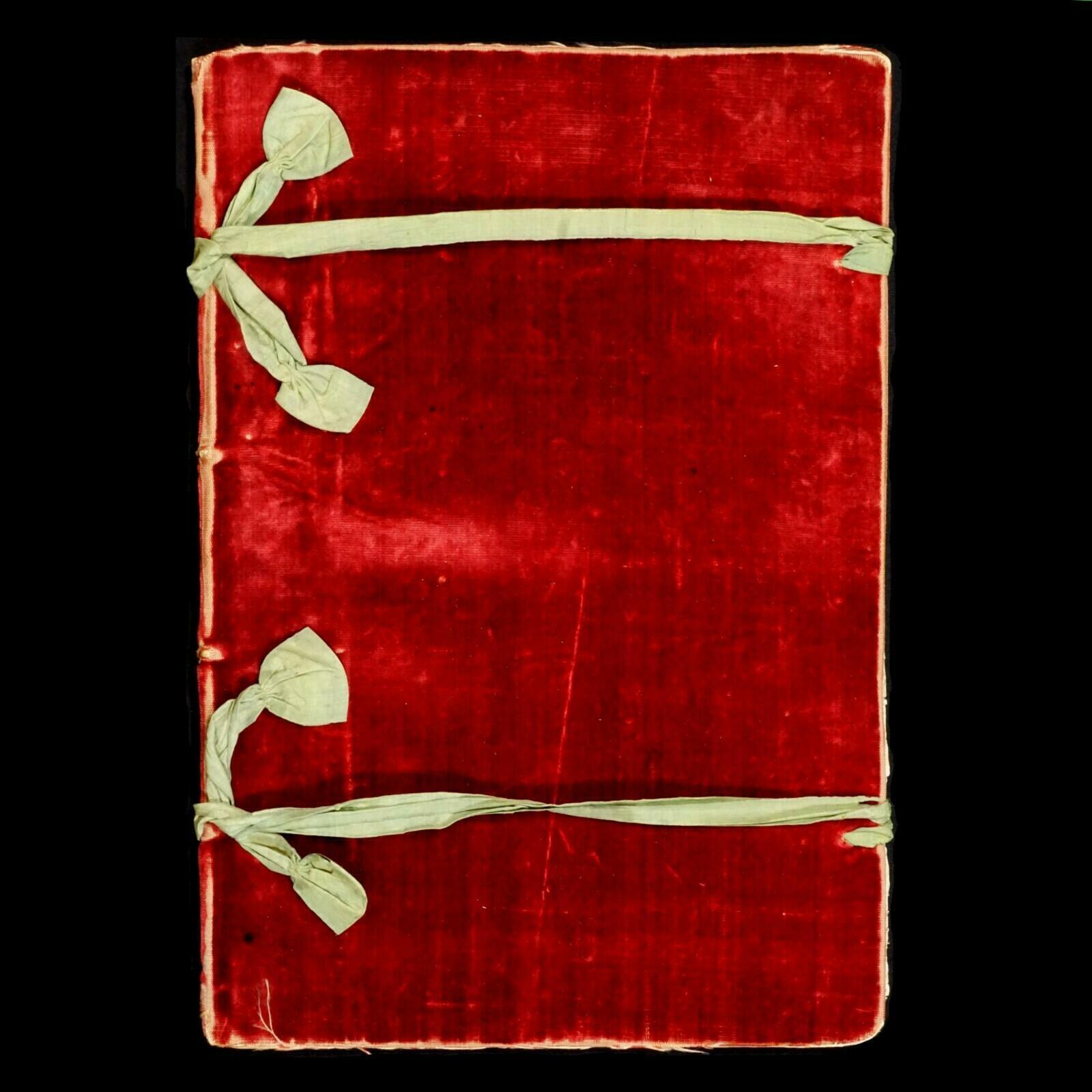
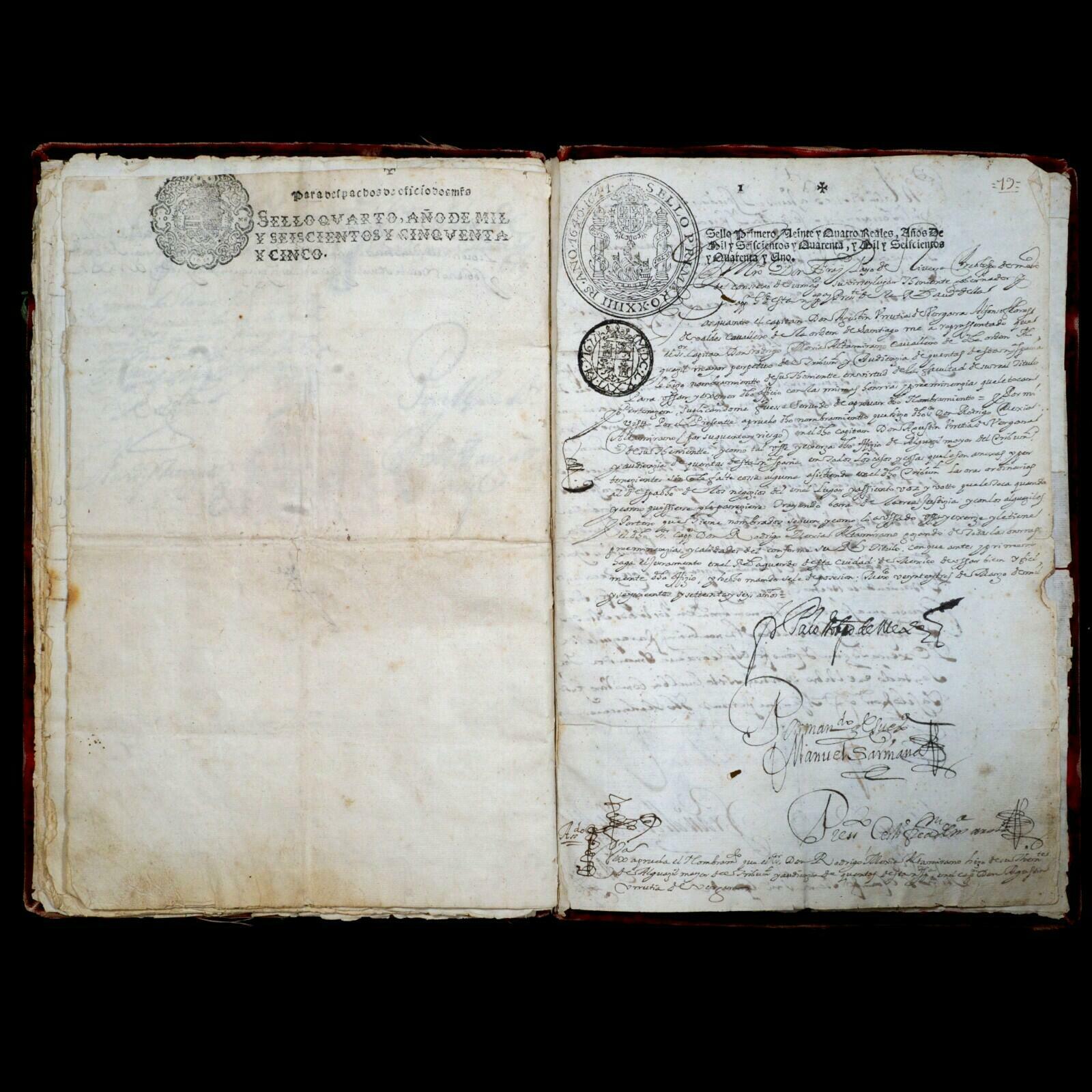
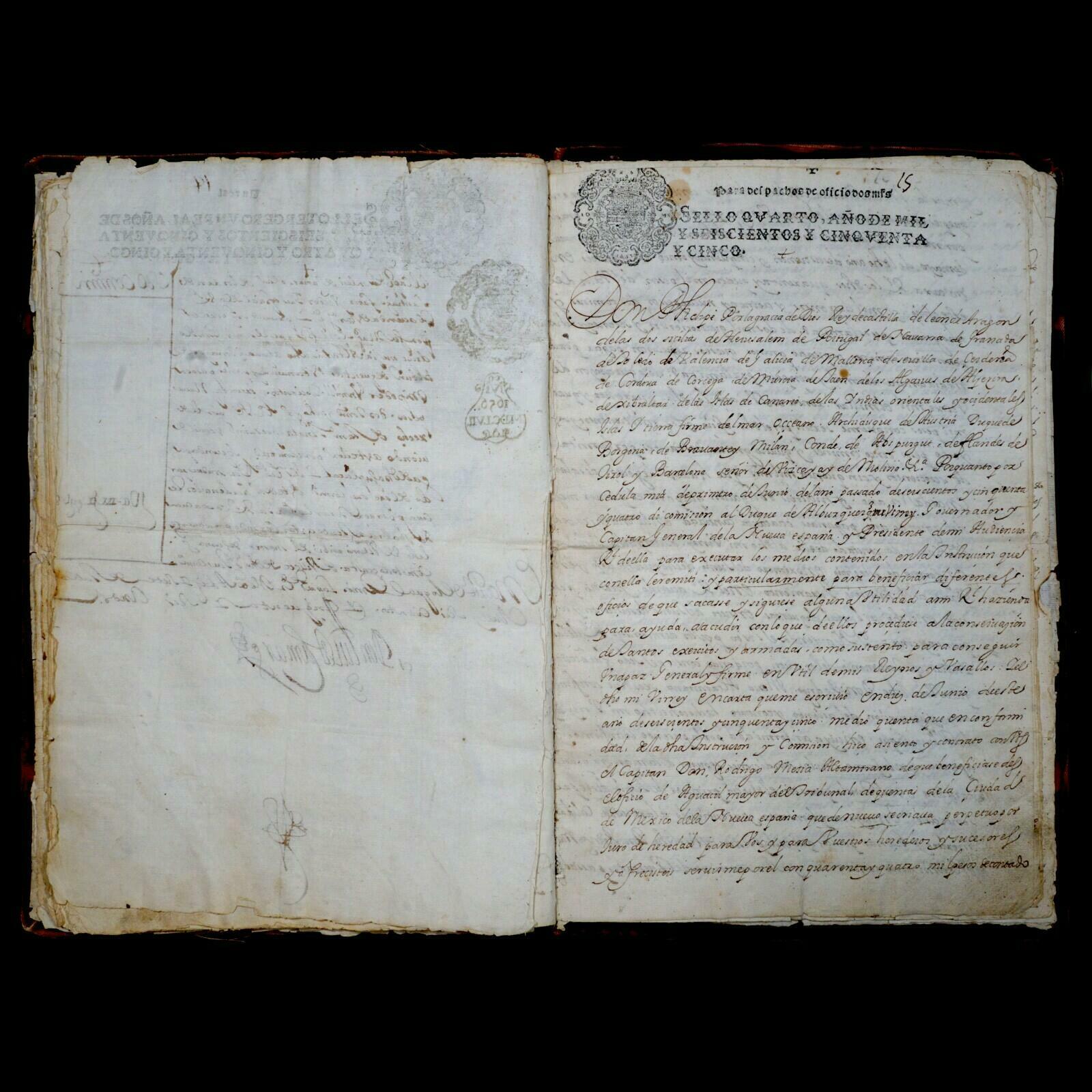
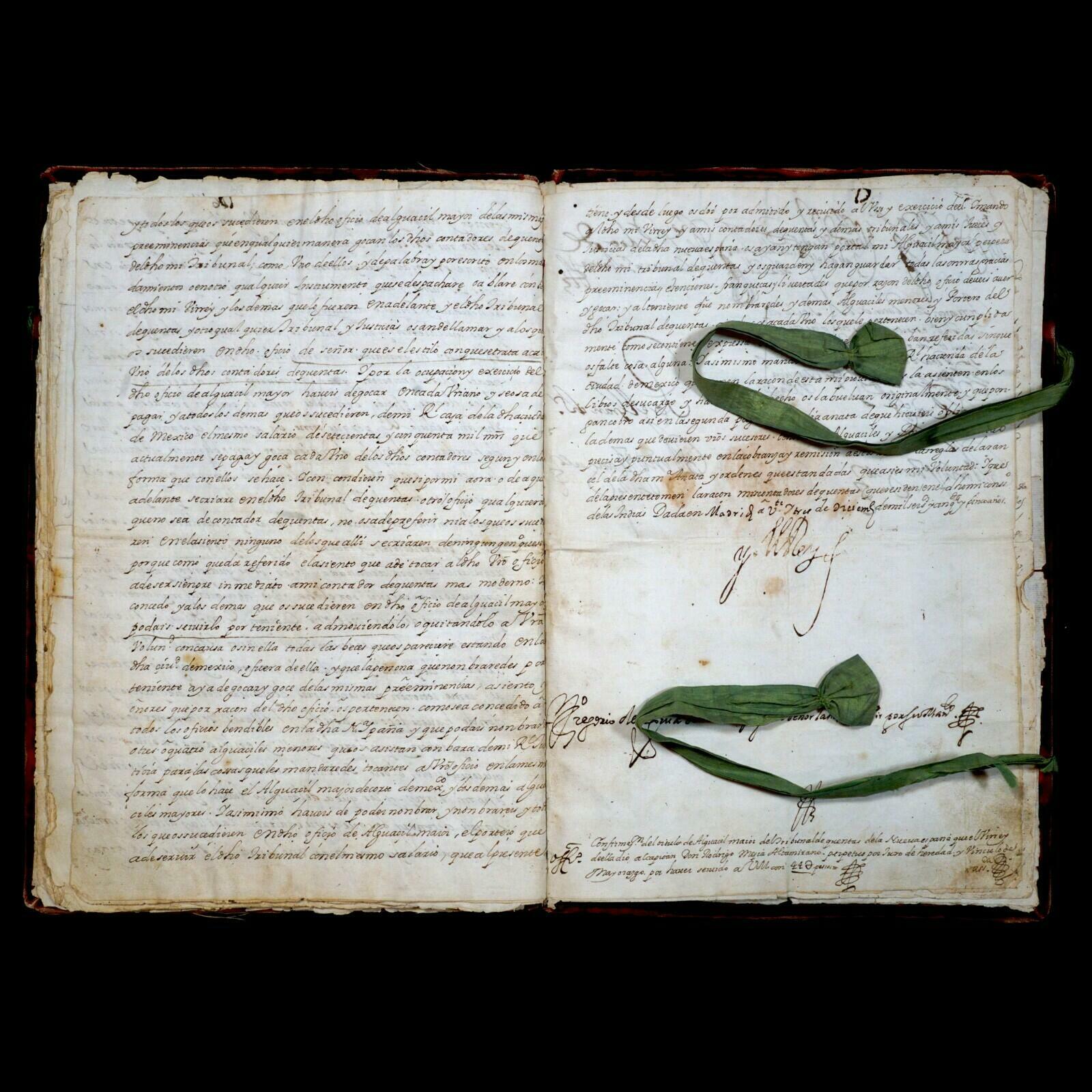
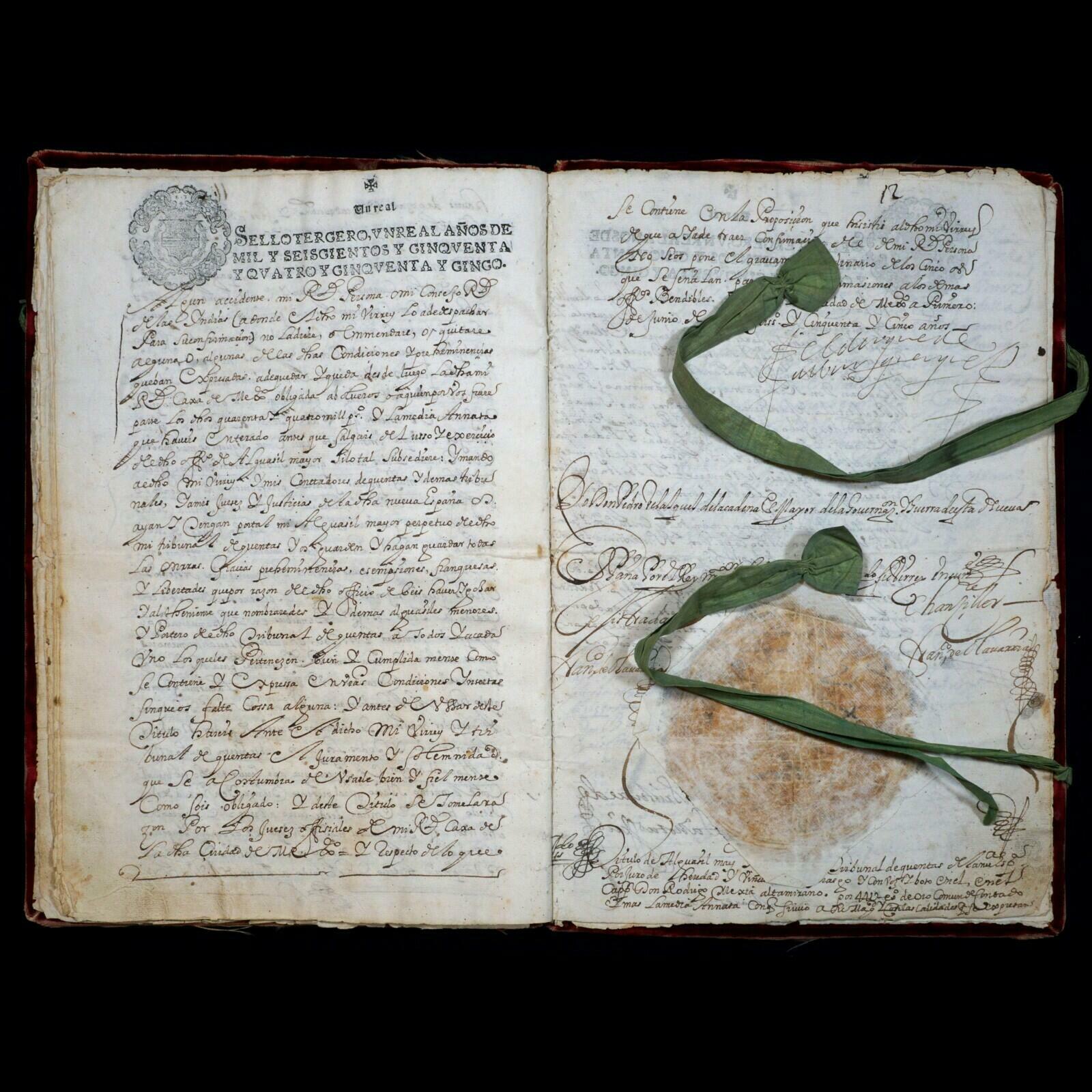
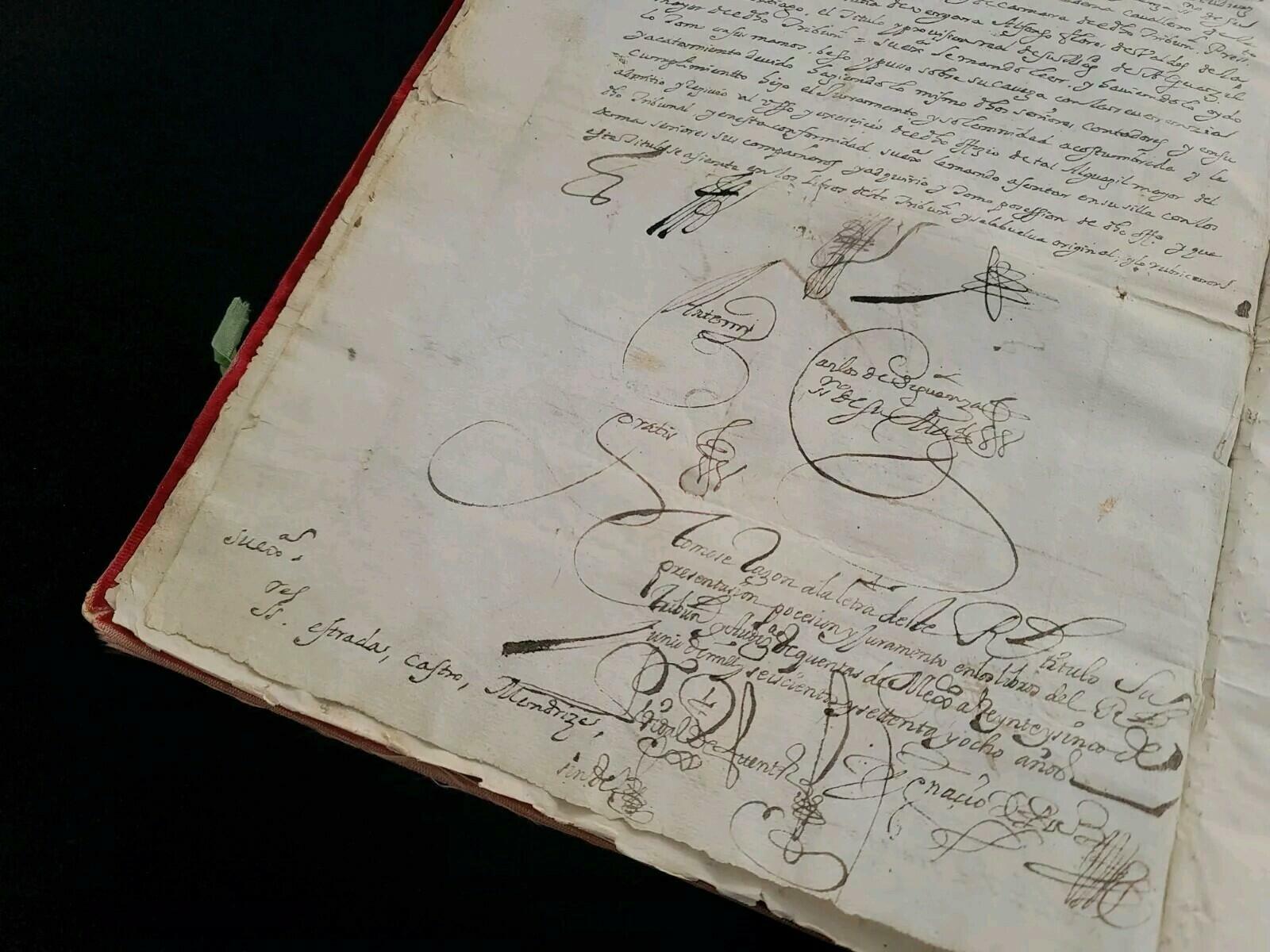
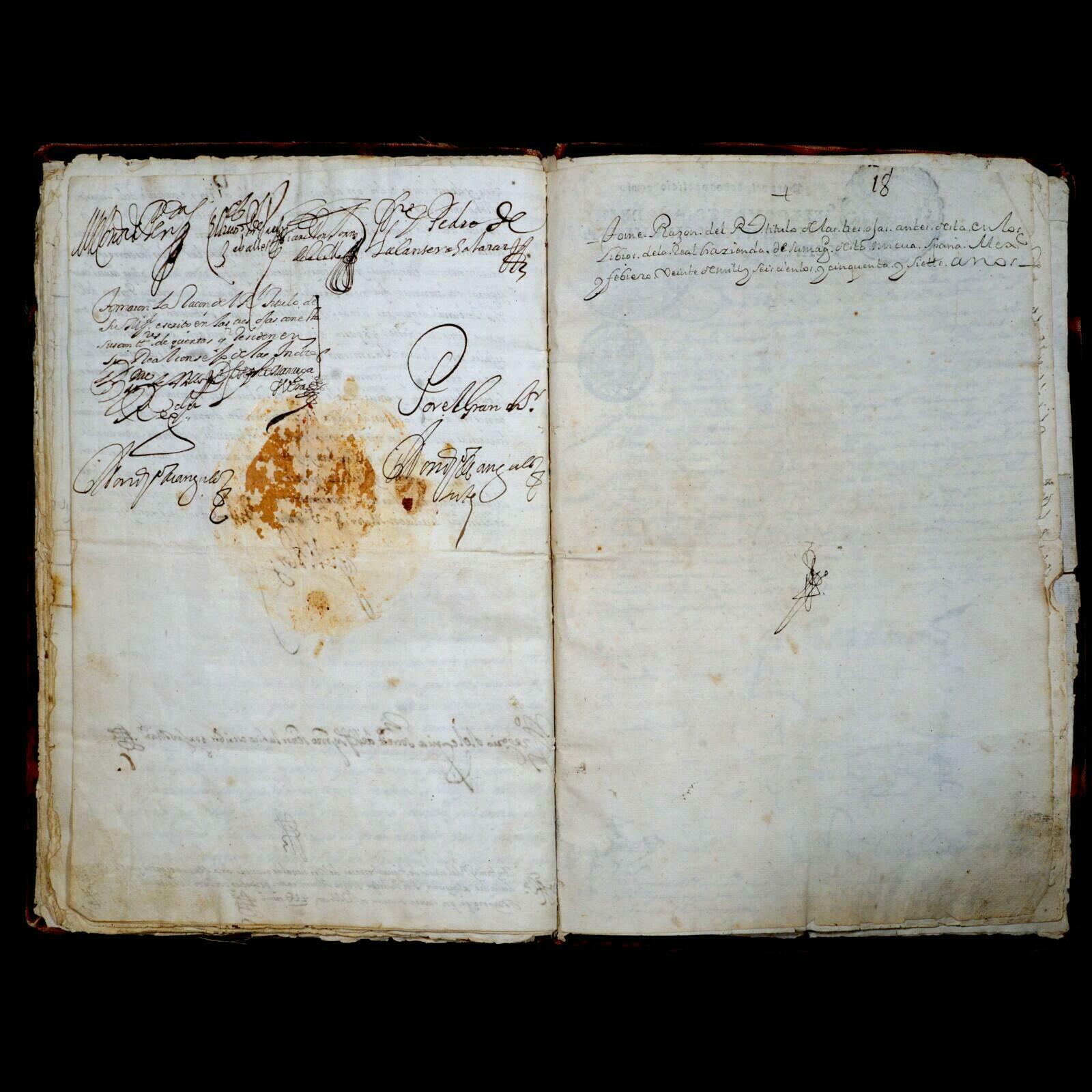
For your consideration is an exceptionally important royal archive preserving the complete hereditary title to the office of Alguacil Mayor Perpetuo of the Tribunal de Cuentas of Mexico City, one of the most distinguished hereditary judicial and fiscal offices administered by the Spanish Crown in the Viceroyalty of New Spain. Preserved in its original seventeenth-century crimson velvet portfolio with surviving green silk ties, the archive comprises eighteen folios (thirty-seven pages) executed on fine laid paper with visible watermarks and official royal stamped paper (papel sellado), including examples of both sello cuarto and sello primero. Spanning more than one hundred twenty years, from June 1655 through 1777, the dossier preserves an uninterrupted documentary chain recording the royal creation, viceregal execution, fiscal registration, hereditary succession, Bourbon reconfirmation, and treasury enrollment of one of the Crown’s hereditary offices. The survival of this archive in its original binding, together with royal autographs, viceregal signatures, treasury registrations, and unused stamped leaves, represents a rare and remarkably complete survival of Spanish colonial administration in its original archival form.
Unlike an isolated royal decree or individual appointment, the present portfolio preserves the complete legal history of a hereditary office. Within its pages are recorded the successive acts by which the Spanish monarchy created, confirmed, protected, and perpetuated governmental authority across multiple generations. Such archives remained in continuous administrative use whenever hereditary succession, fiscal obligations, or ceremonial rights required verification and were therefore frequently dispersed, updated, rebound, or lost. The survival of a substantially complete hereditary office archive retaining its original seventeenth-century velvet portfolio is consequently of exceptional rarity and institutional importance.
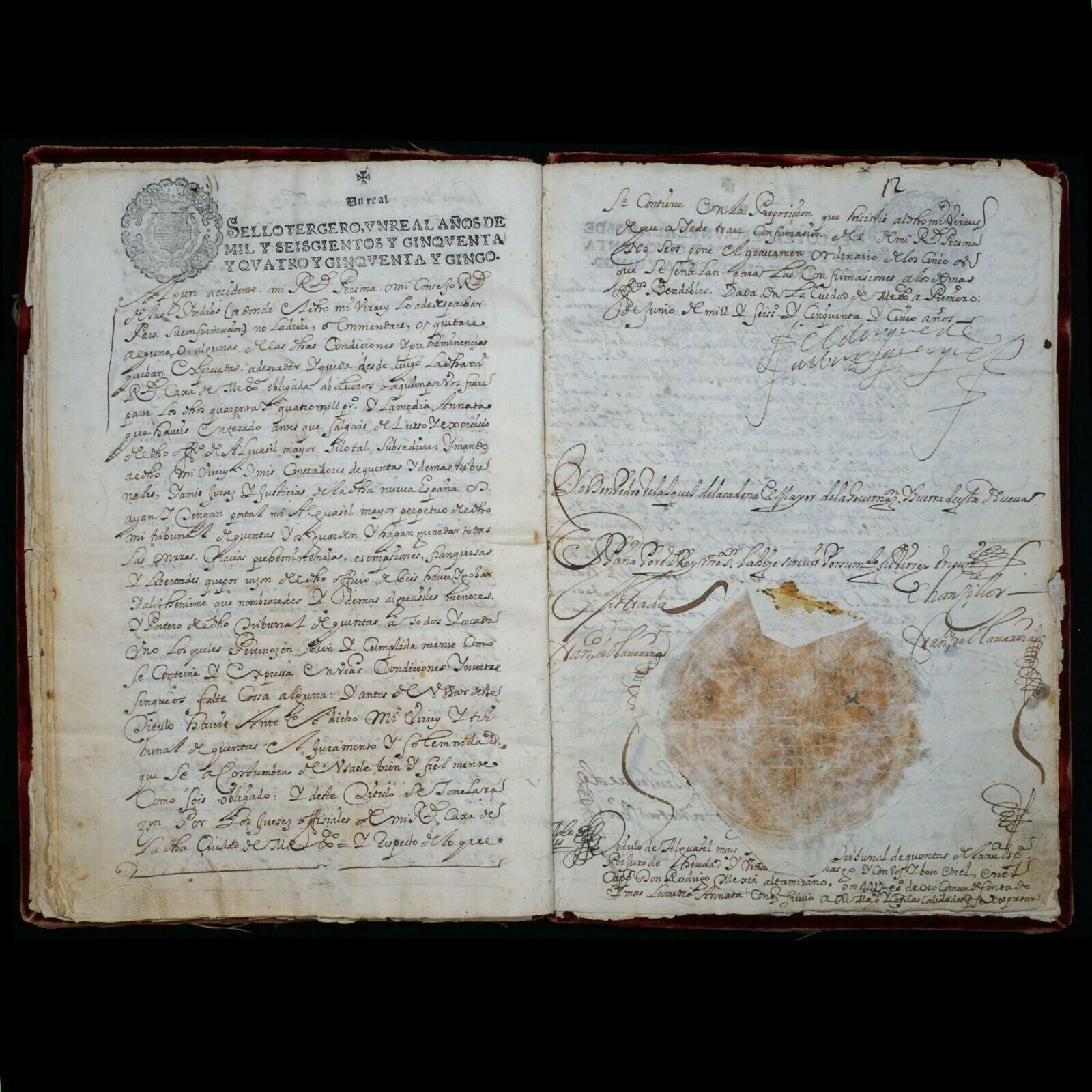
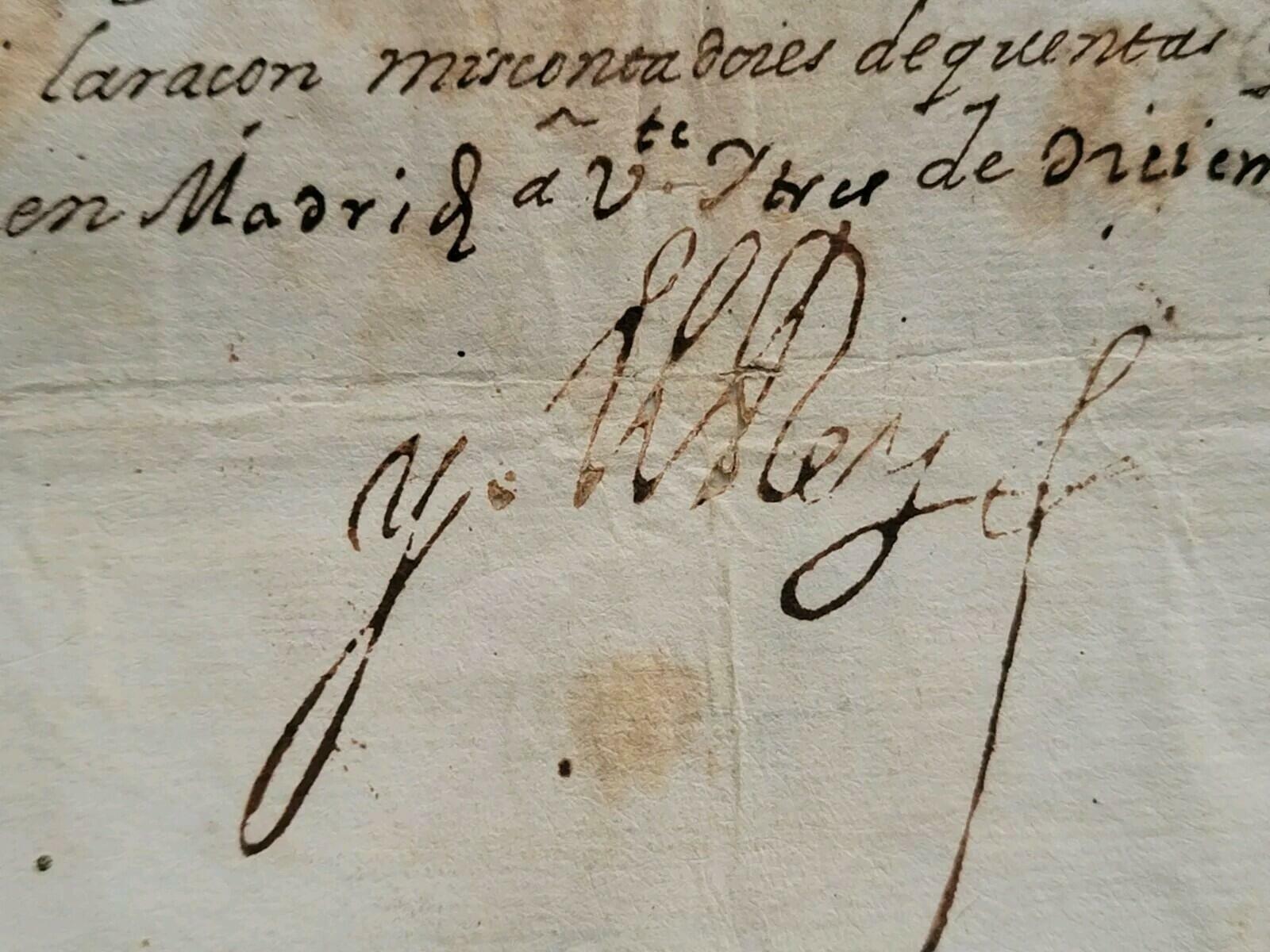
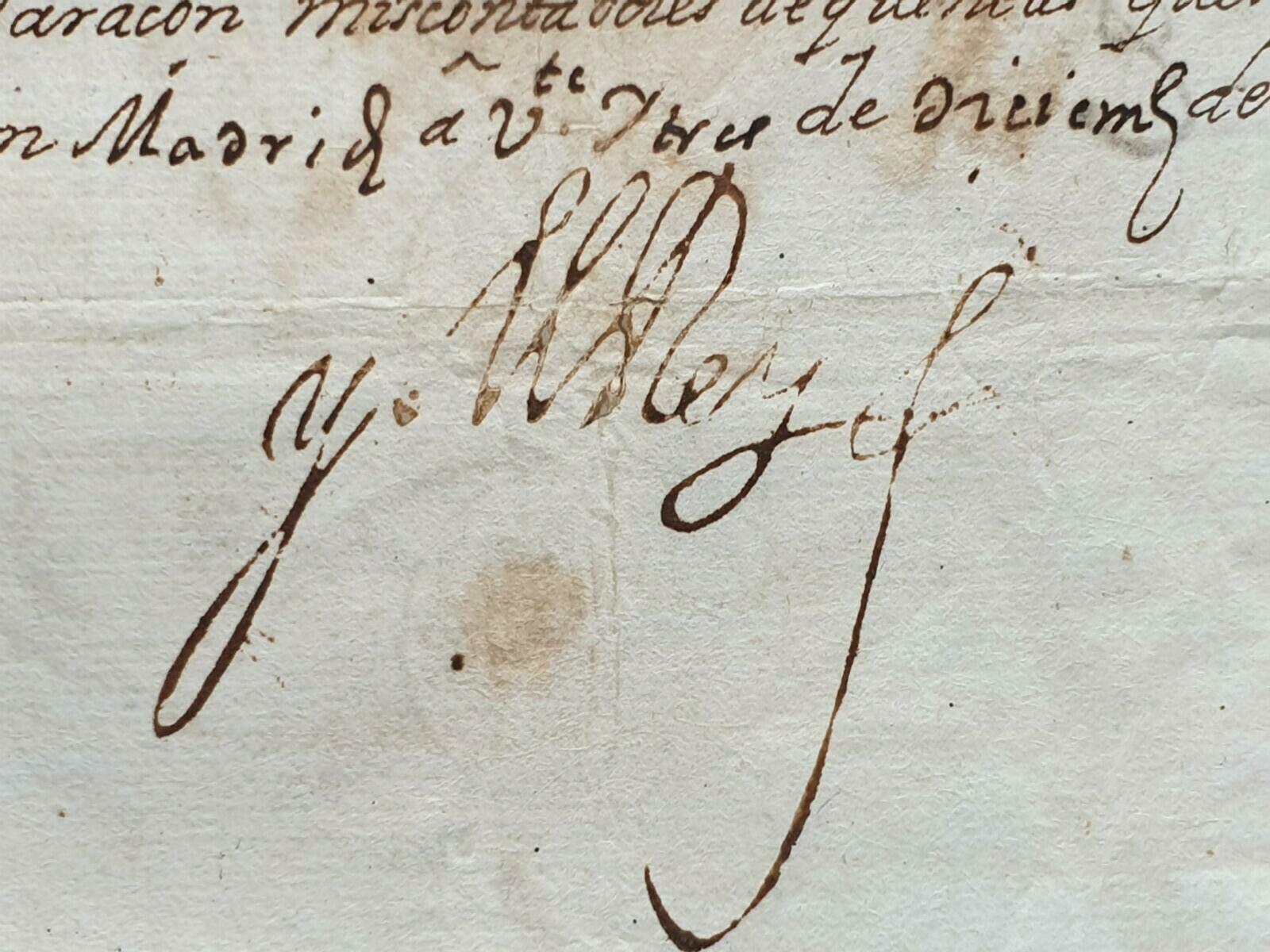
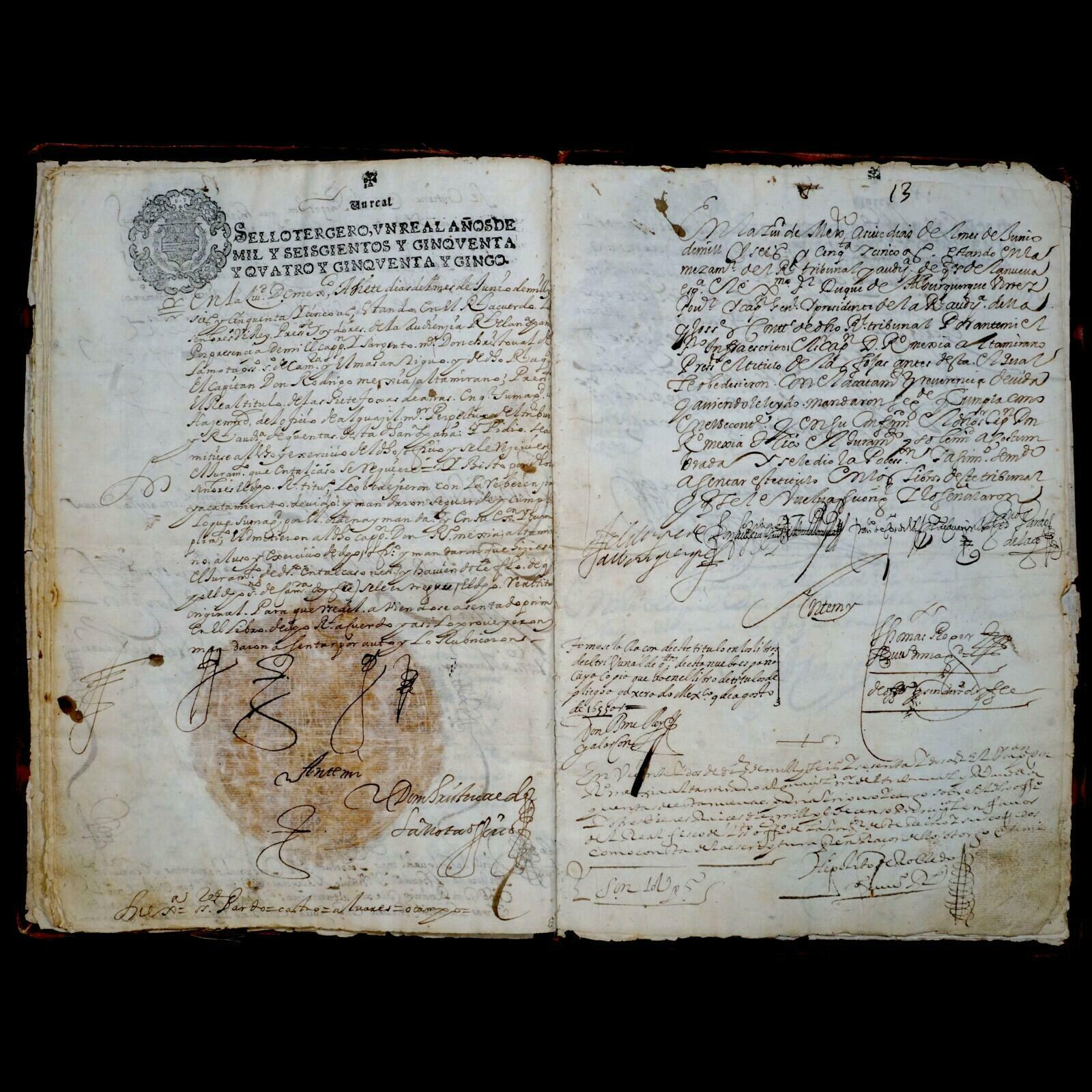
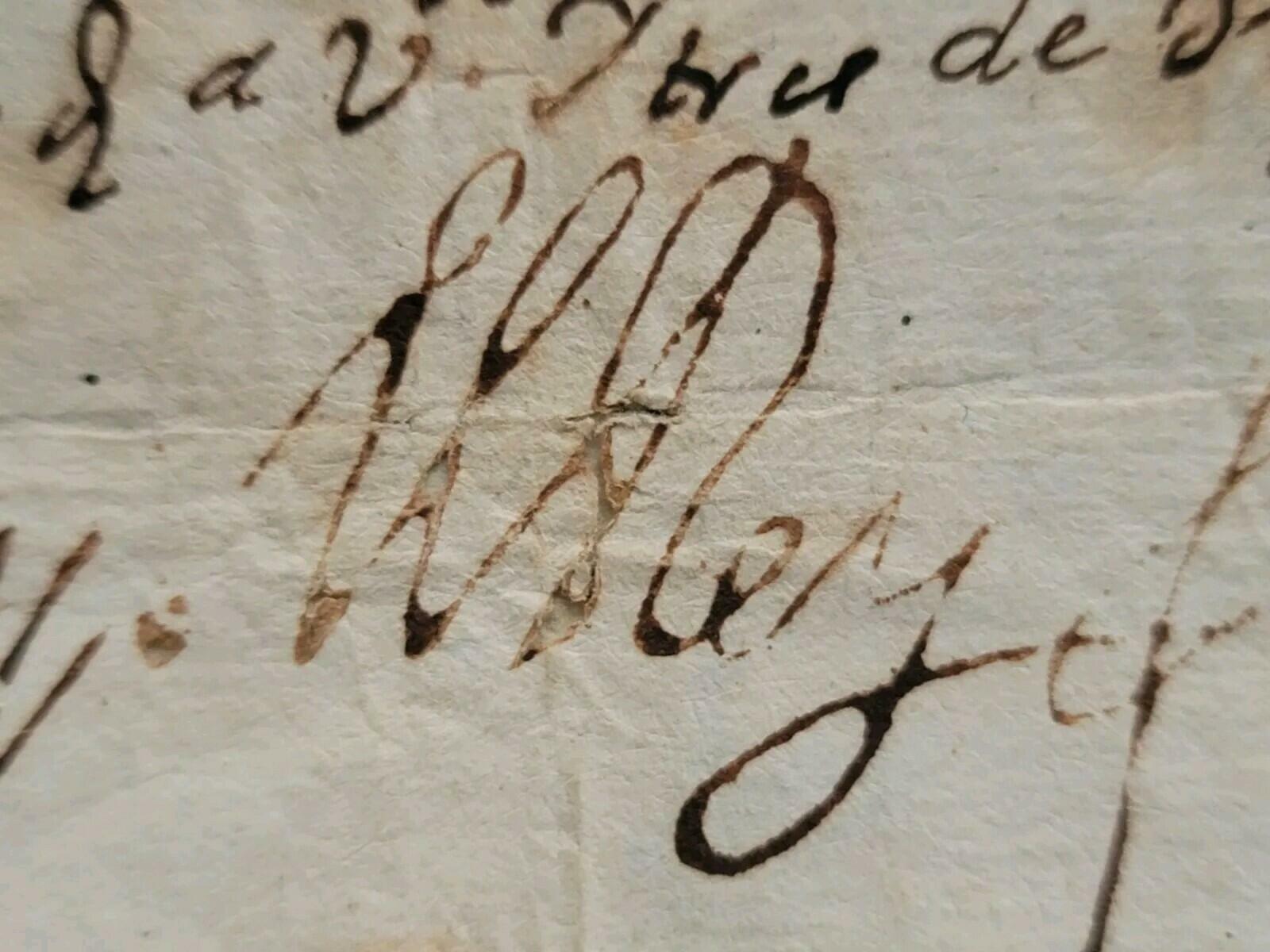
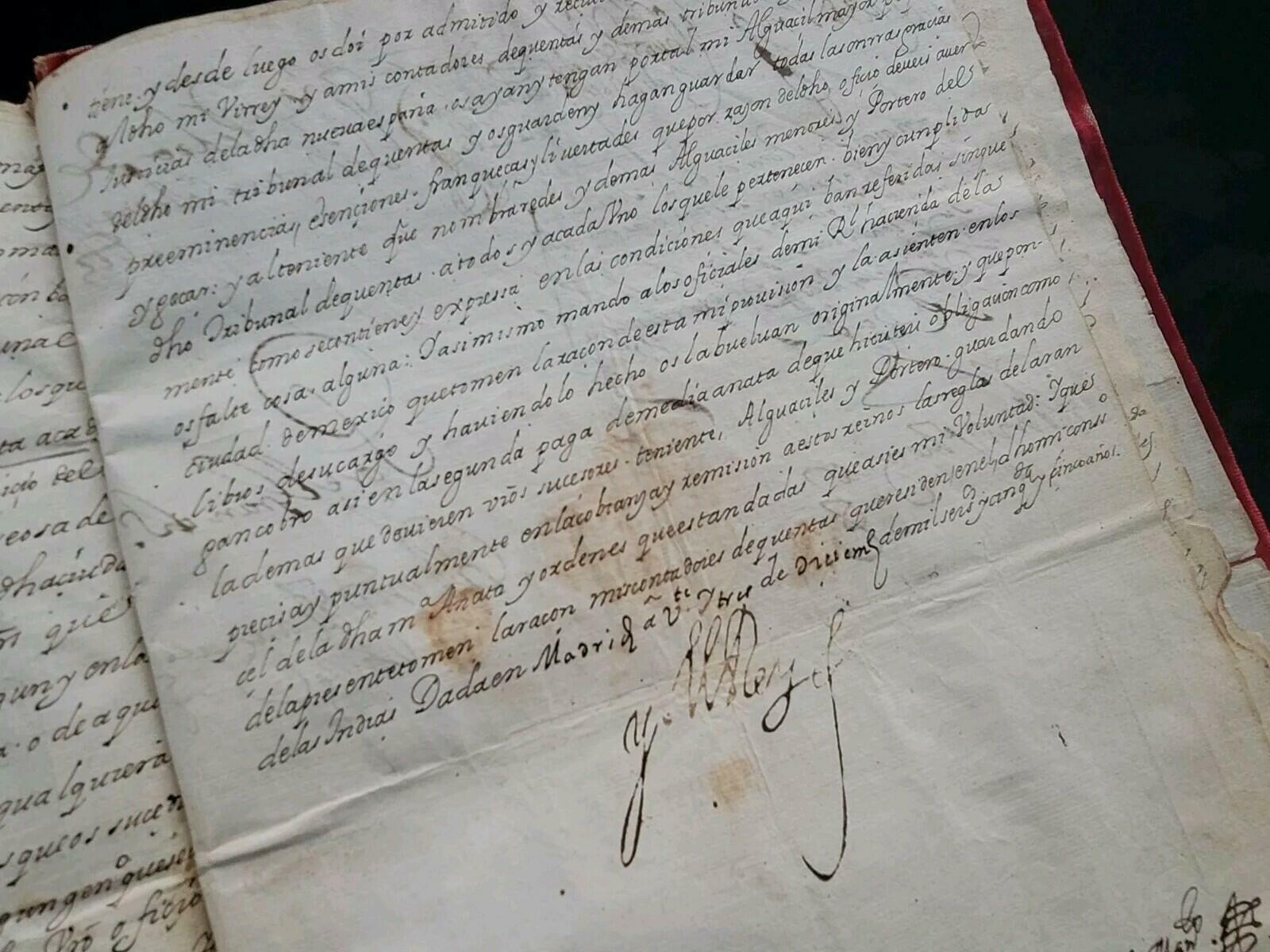
The archive opens with the original royal cdula issued under King Philip IV in June 1655 and printed upon official sello cuarto paper. In this foundational instrument the monarch confirms Captain Don Rodrigo Mexa Altamirano in perpetual possession of the office of Alguacil Mayor Perpetuo “por ttulo de mayorazgo para siempre jams,” establishing the office as hereditary property descending forever to his lawful heirs. The decree grants full voz y asiento within the Tribunal de Cuentas together with all salaries, privileges, exemptions, honors, jurisdictional authority, and ceremonial precedence attached to the office. Philip IV commands the Viceroy, Royal Audiencia, and Tribunal to place the grantee in real, actual, and corporal possession, to defend his rights against future challenge, and to restore the office should those hereditary rights ever be disturbed. Particularly noteworthy is the preservation of Philip IV’s autograph royal rubric, “Yo El Rey,” accompanied by the countersignature of Gregorio del Eguila, Secretary of the Royal Council of the Indies.
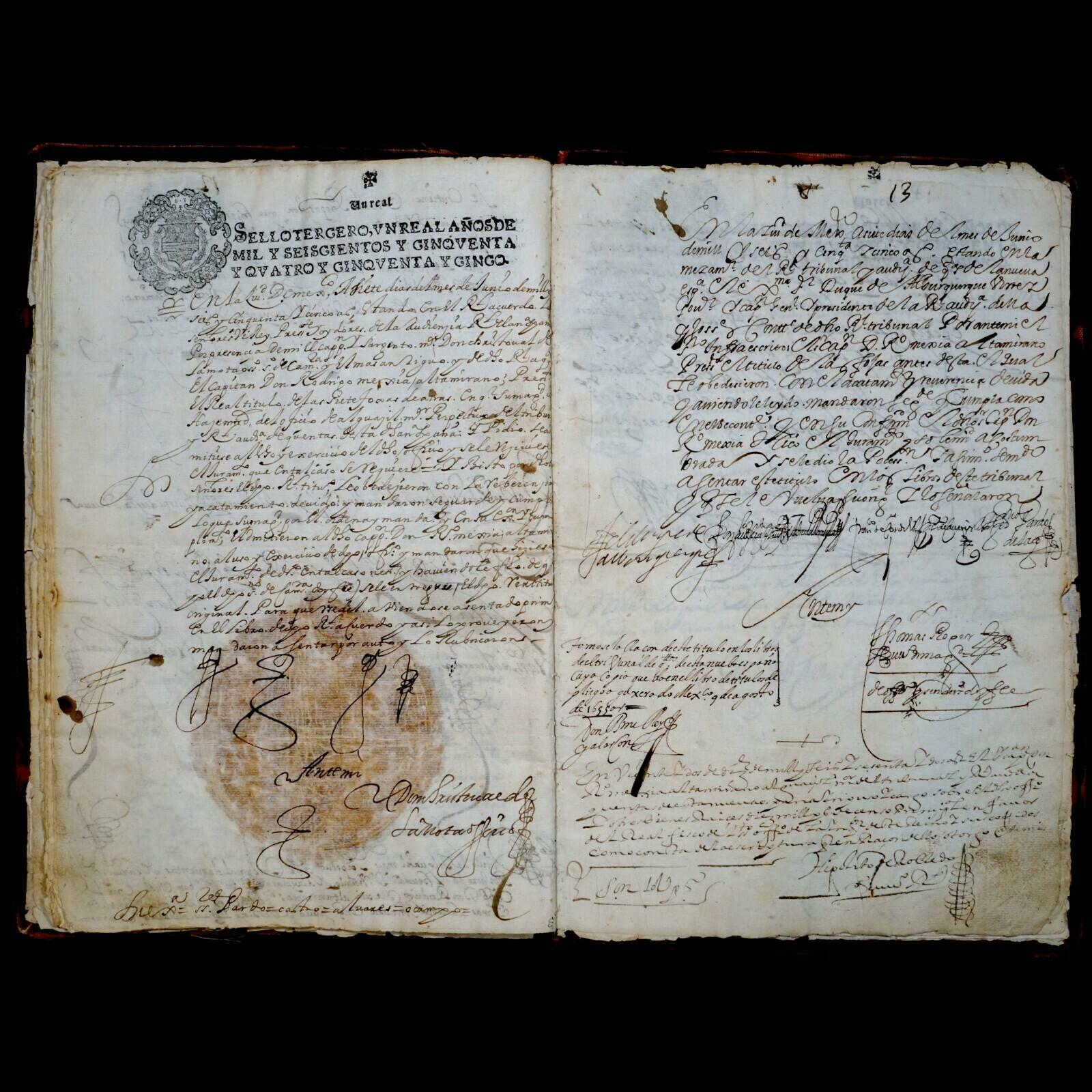
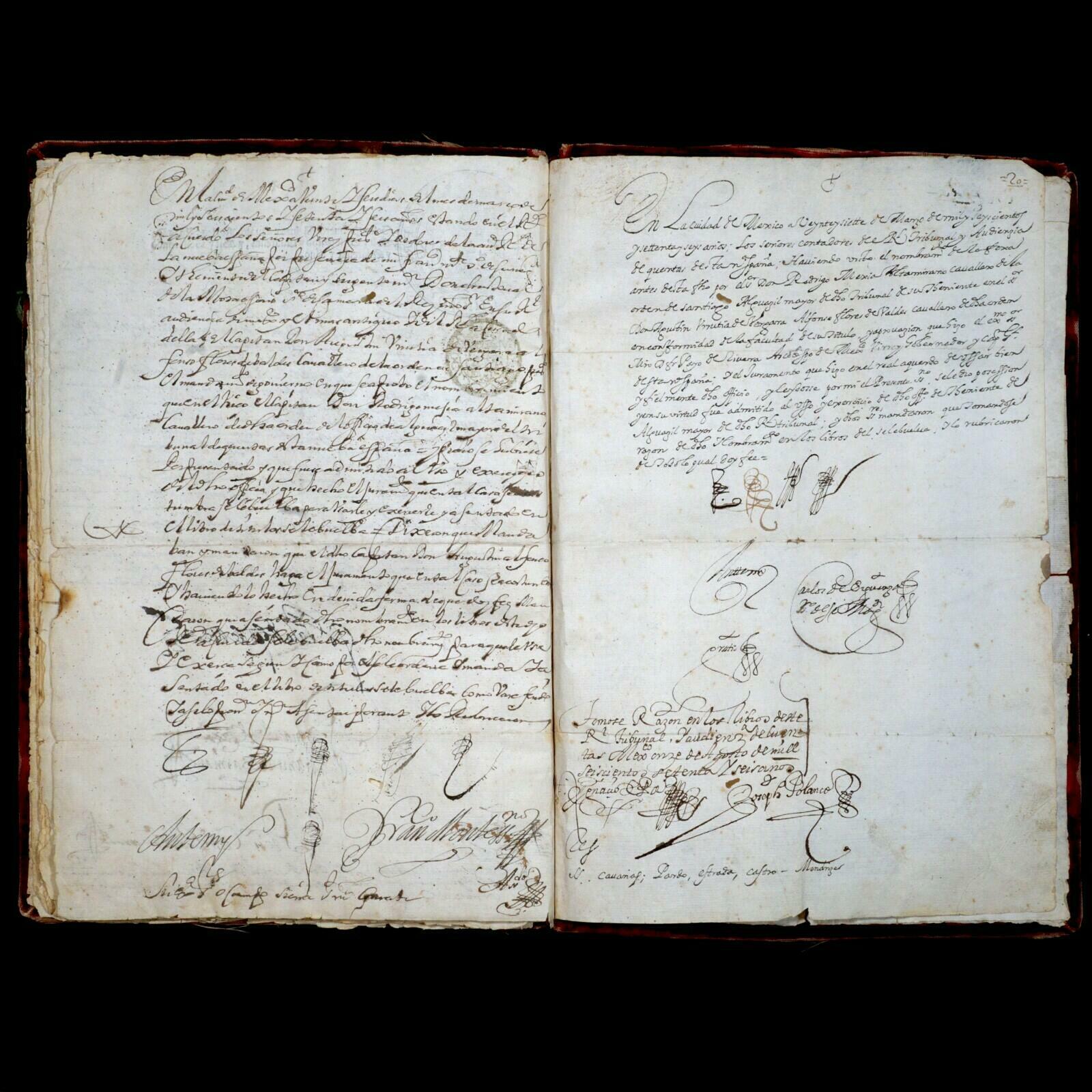
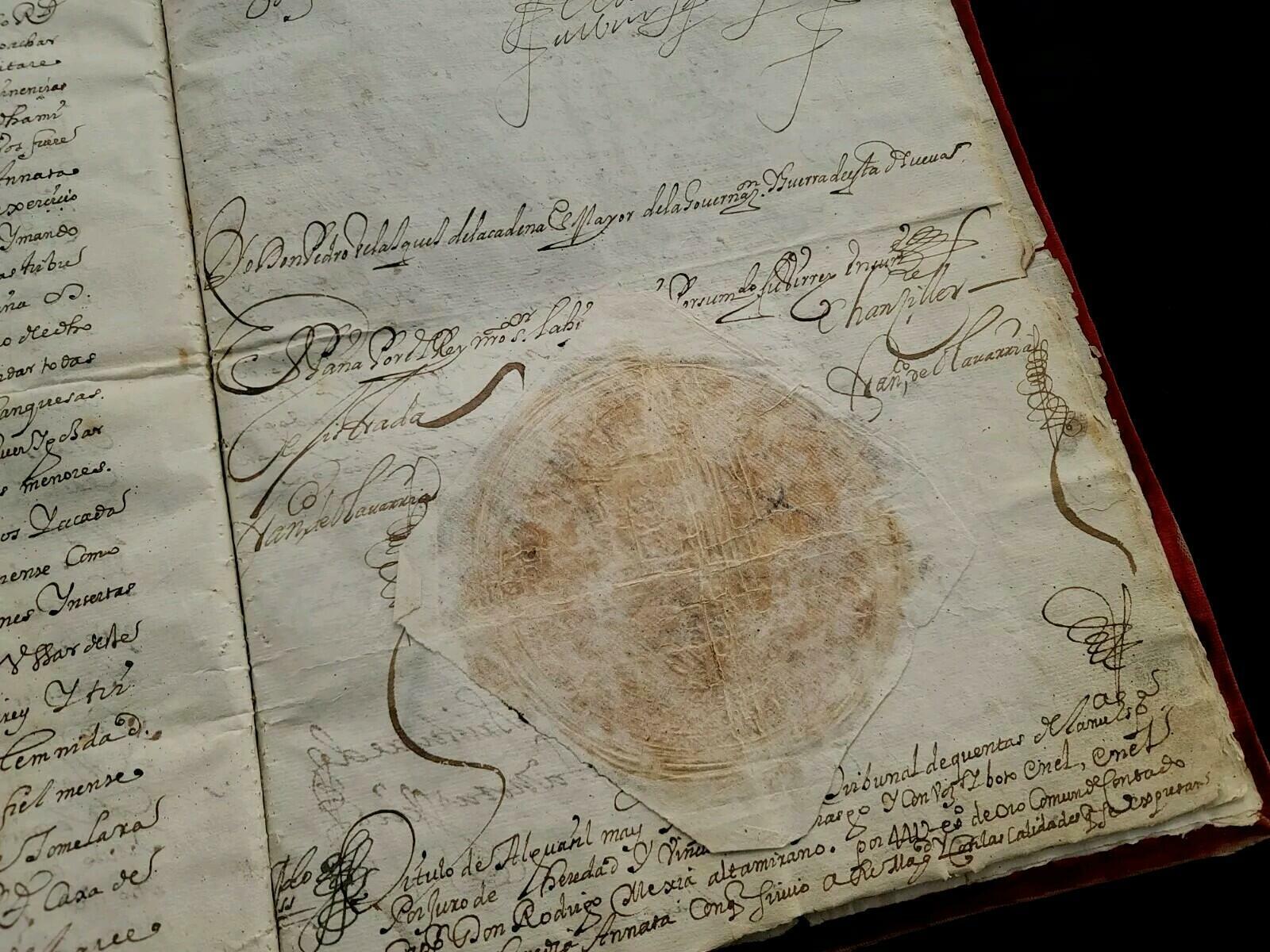
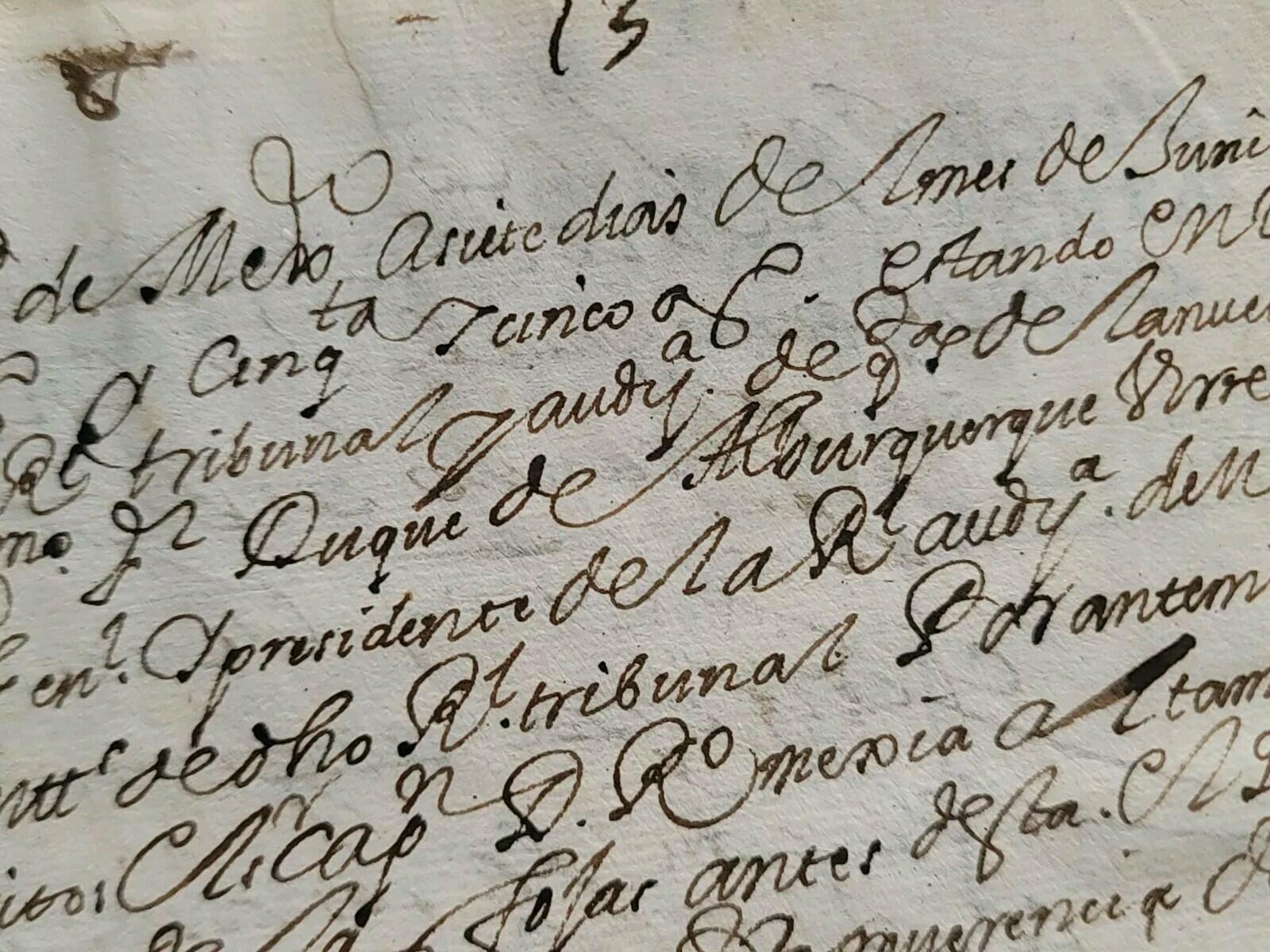
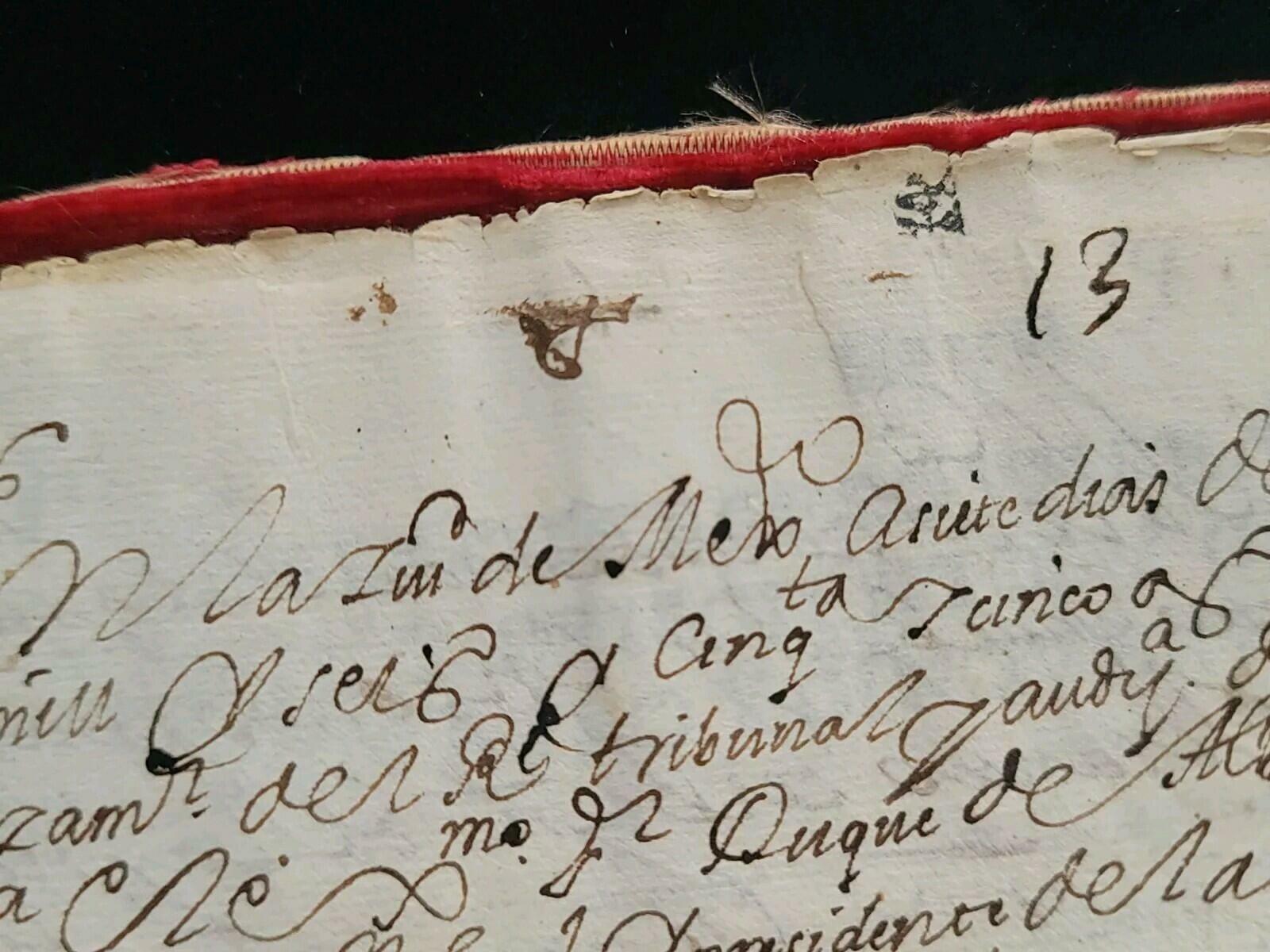
Immediately following the royal concession is the formal act of possession executed in Mexico City in June 1655 before Don Francisco Fernndez de la Cueva, Eighth Duke of Alburquerque, Viceroy of New Spain. After presentation of the royal cdula, the Viceroy ordered that Rodrigo Mexa Altamirano be placed in real, actual, and corporal possession of the office. The ceremony records the symbolic delivery of the vara, or staff of office, and formally seated the grantee within the Tribunal de Cuentas with full voice and vote. The act concludes with the Viceroy’s autograph rubric together with the signatures of magistrates, notaries, and witnesses, preserving an unusually complete record of the ceremonial installation of a hereditary royal officer in seventeenth-century New Spain.
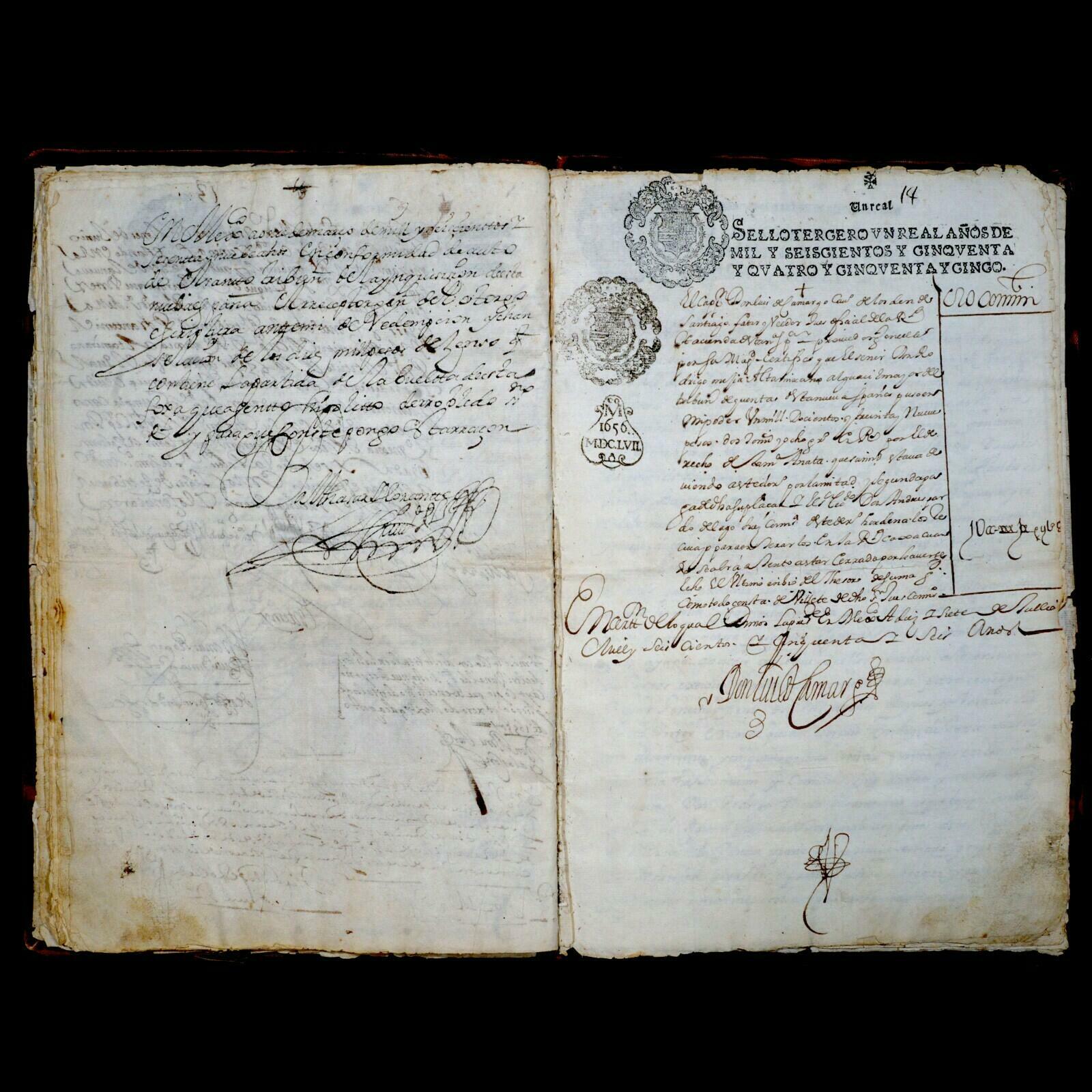
The administrative history continues with the fiscal registration of 9 February 1657, signed by the Contador Mayor of the Royal Treasury, directing that the title be entered into both the Libro de la Real Hacienda and the Libro de Ttulos of the Tribunal de Cuentas for perpetual memory. This registration transformed the royal concession into a permanently enrolled fiscal instrument recognized throughout the administrative structure of the Spanish Empire and illustrates the meticulous bureaucratic procedures through which royal authority was implemented and preserved.
Four additional folios preserve a royal decree issued during the reign of King Charles II in 1673 upon official sello primero paper valued at twenty-four reales. Although the surviving royal exemplar no longer bears the customary royal rubric or secretary’s countersignature, its legal authority is perfected through the accompanying execution signed personally by Fray Payo Enrquez de Rivera, Archbishop of Mexico and Viceroy of New Spain. His autograph rubric orders that the hereditary rights of the officeholder be confirmed and protected, providing an instructive illustration of the manner in which viceregal authority implemented royal legislation throughout the overseas dominions of the Spanish Crown.
The Bourbon dynasty is represented by a further royal confirmation issued under King Philip V at Buen Retiro on 15 March 1742, likewise printed upon official sello primero paper and bearing the formal titulary together with the countersignature of the responsible royal secretary. The active history of the archive concludes with the act of registration entered by the Contadores of the Tribunal de Cuentas in Mexico City on 27 March 1777, recording the title once again within the Libro de Ttulos and identifying the officeholder as a Caballero of the Order of Santiago, demonstrating the family’s continued prominence more than a century after the original royal concession. Several unused stamped leaves remain bound within the portfolio, further confirming both its completeness and untouched archival integrity.
The historical significance of the archive extends well beyond the survival of its individual documents. Preserved within a single uninterrupted portfolio is the complete legal history of a hereditary royal office, documenting its creation under Philip IV, its execution by the Viceroyalty of New Spain, enrollment within the fiscal administration of the Real Hacienda, reconfirmation under Charles II and Philip V, and continued registration by the Tribunal de Cuentas over more than one hundred twenty years. Few surviving colonial archives illustrate so completely the administrative relationship between the Spanish Crown, the Council of the Indies, the viceroyal government, and the financial institutions of New Spain.
The office of Alguacil Mayor Perpetuo occupied one of the senior hereditary positions attached to the Tribunal de Cuentas, the Crown’s principal fiscal tribunal in New Spain responsible for auditing the accounts of the Real Hacienda and supervising financial accountability throughout the viceroyalty. Bestowed by mayorazgo, the office combined judicial authority, ceremonial precedence, and hereditary privilege, reflecting an exceptional degree of royal confidence while ensuring continuity of service across generations. Independent archival references preserved in the Archivo General de la Nacin further document the continued association of the Mexa Altamirano family with the office during the seventeenth and eighteenth centuries, reinforcing the continuous institutional history preserved by the present archive.
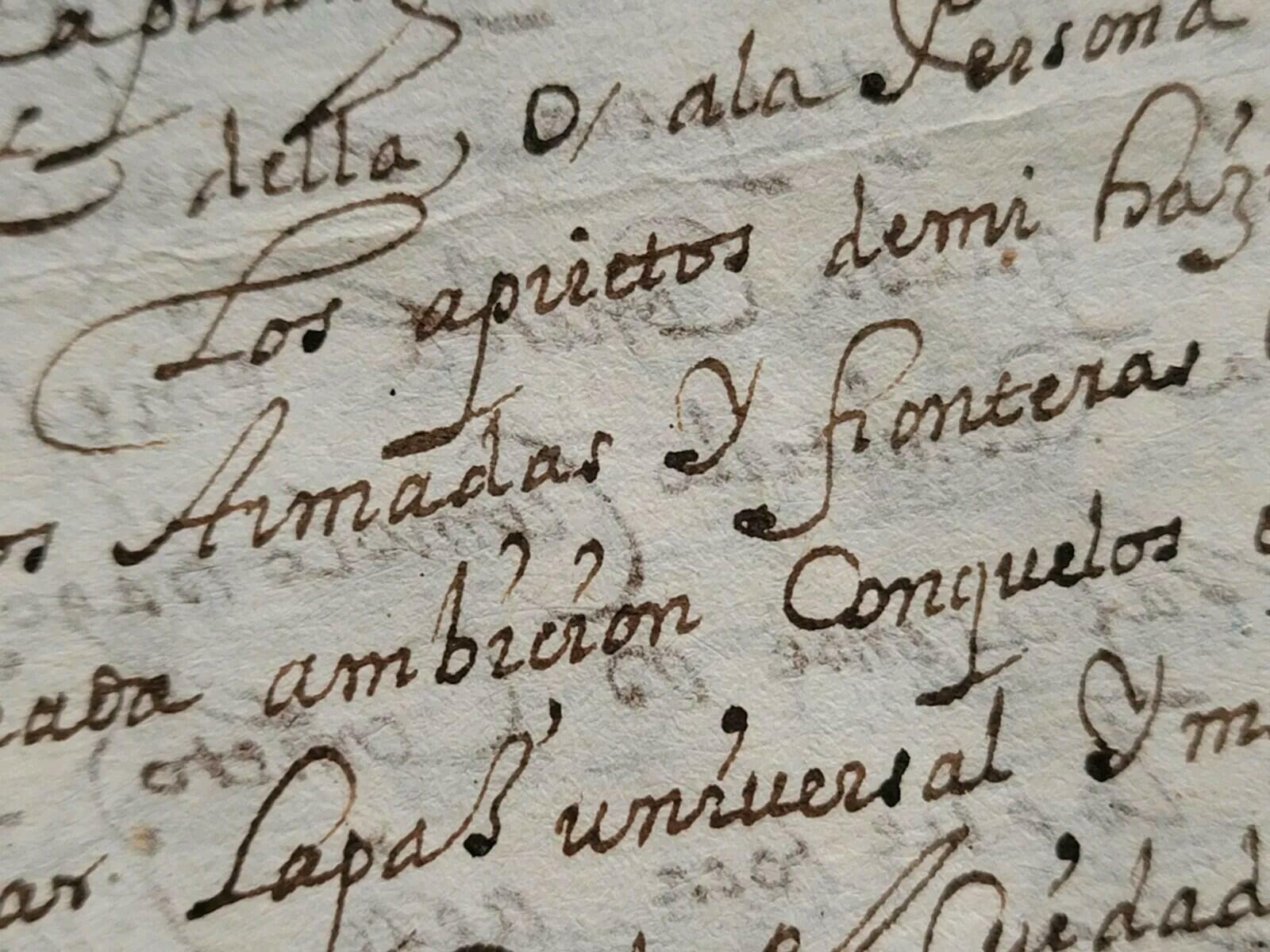
Executed on official papel sellado, including examples of both sello cuarto and sello primero, and retaining visible watermarks, treasury registrations, viceregal executions, royal countersignatures, and the autograph rubric of Philip IV, “Yo El Rey,” the archive provides an unusually complete illustration of the bureaucratic machinery through which the Spanish Empire governed its American dominions. Preserved in its original seventeenth-century crimson velvet portfolio with surviving green silk ties, it ranks among the finest surviving documentary records of hereditary officeholding in colonial Mexico and represents an important primary source for the study of Spanish imperial administration, colonial jurisprudence, hereditary privilege, and the constitutional history of New Spain.
Condition: Preserved in its original seventeenth-century crimson velvet portfolio with surviving green silk ties. Comprising eighteen folios (thirty-seven pages) on laid paper with visible watermarks and official papel sellado. The archive retains its original sequence, including royal, viceregal, treasury, and tribunal documents together with several unused stamped leaves. Expected age-related wear, light handling, and minor toning consistent with more than three and a half centuries of careful preservation. Overall, an exceptional state of survival for a continuously maintained colonial administrative archive of this complexity and importance.
Reviews
There are no reviews yet.