
Description
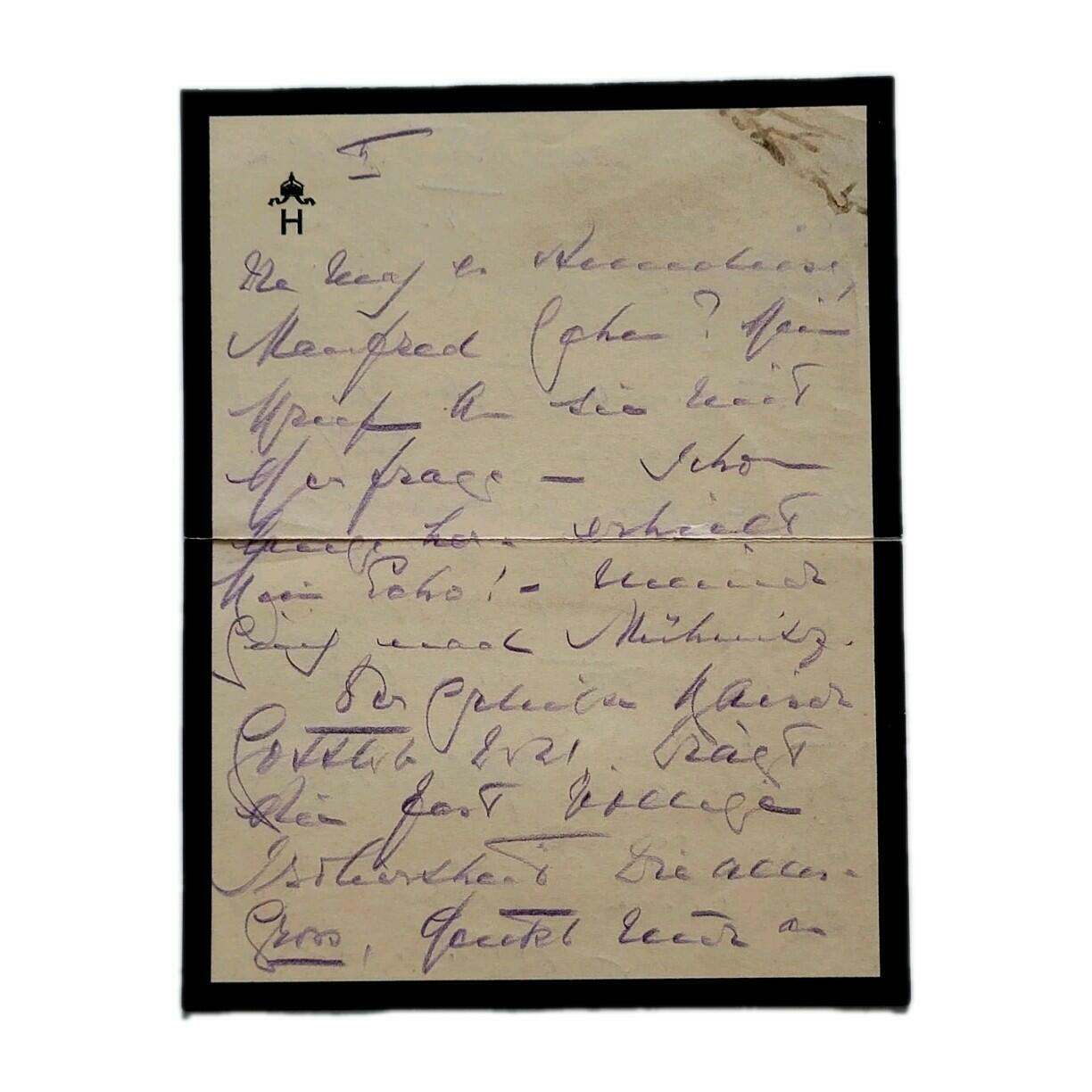
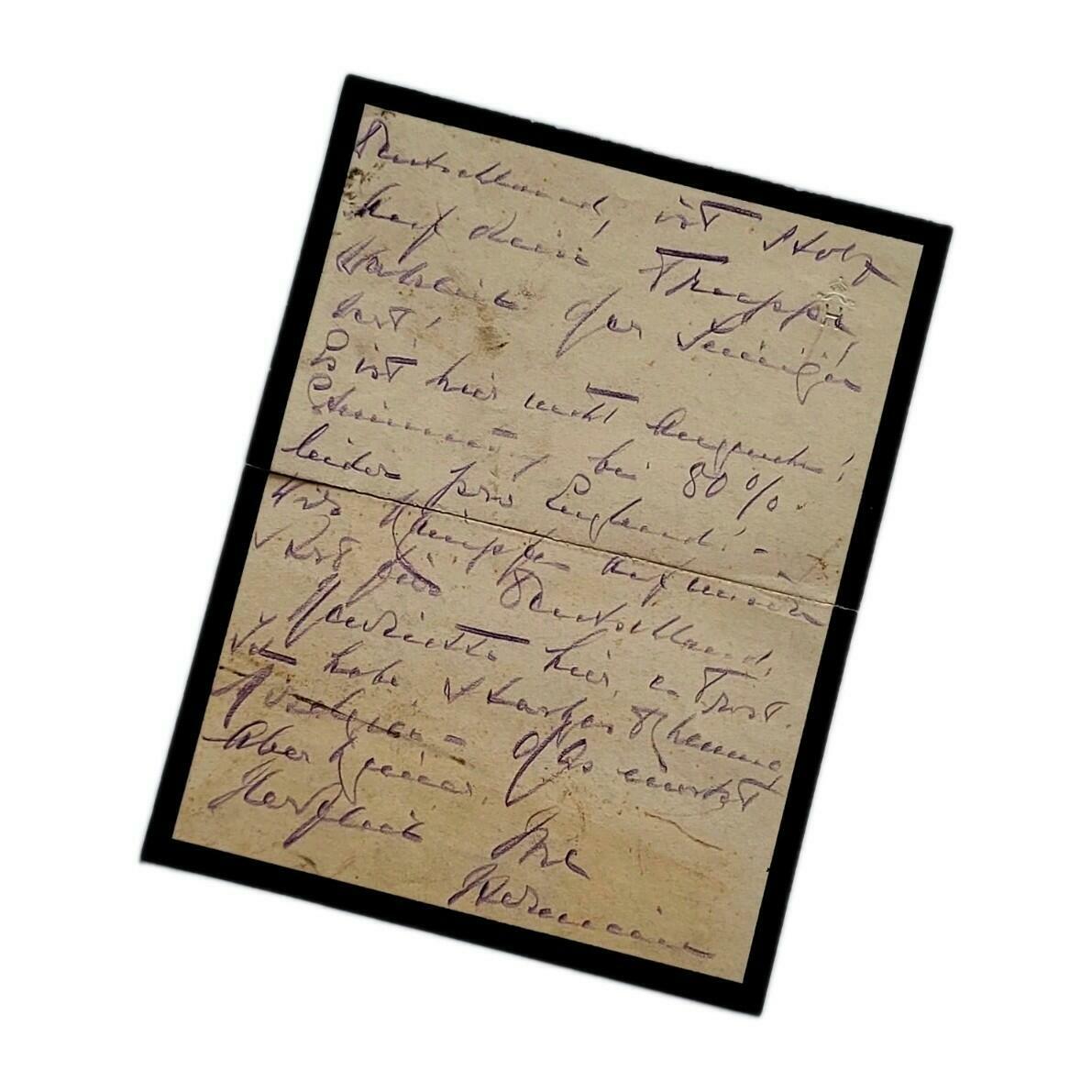
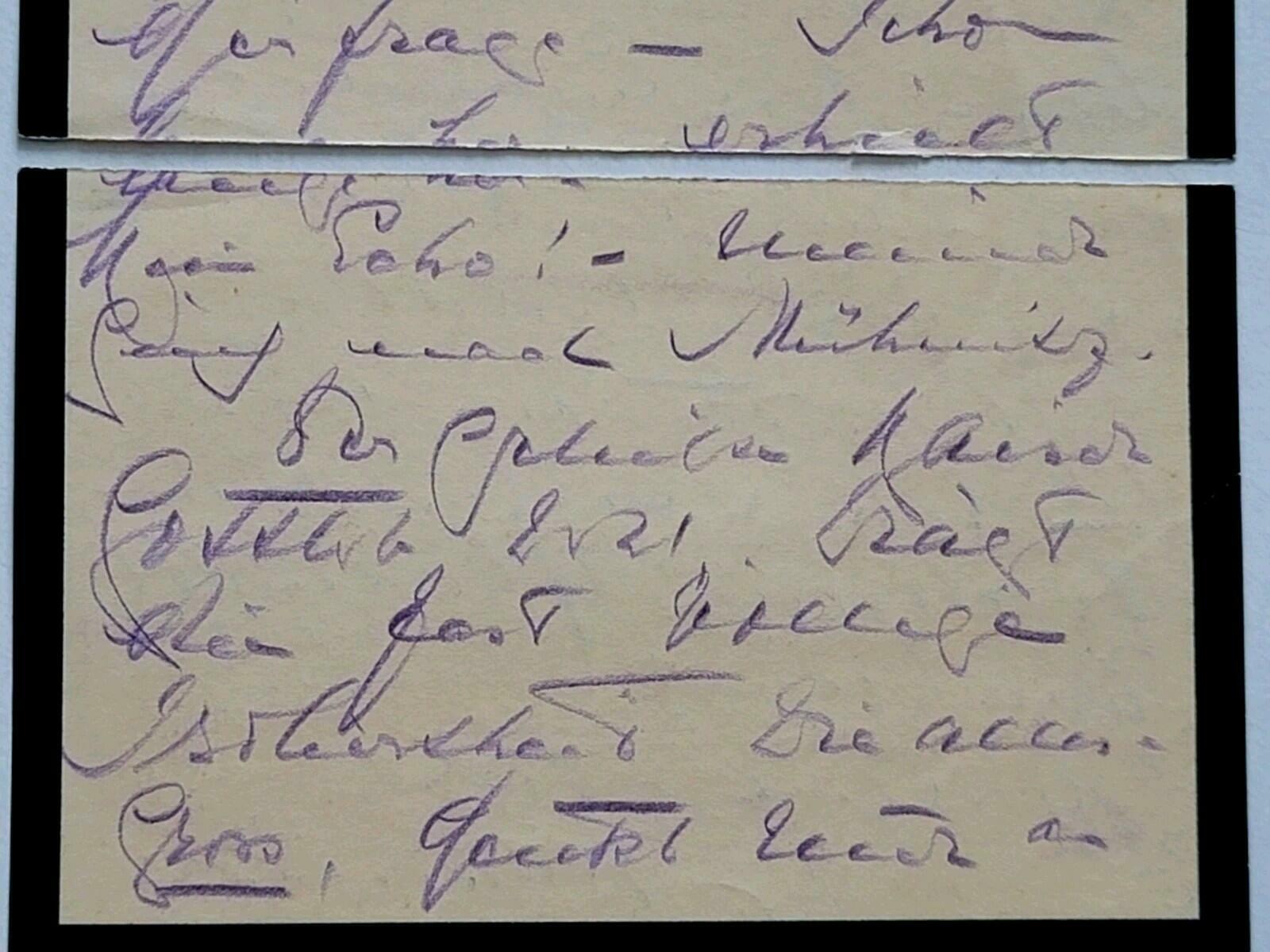
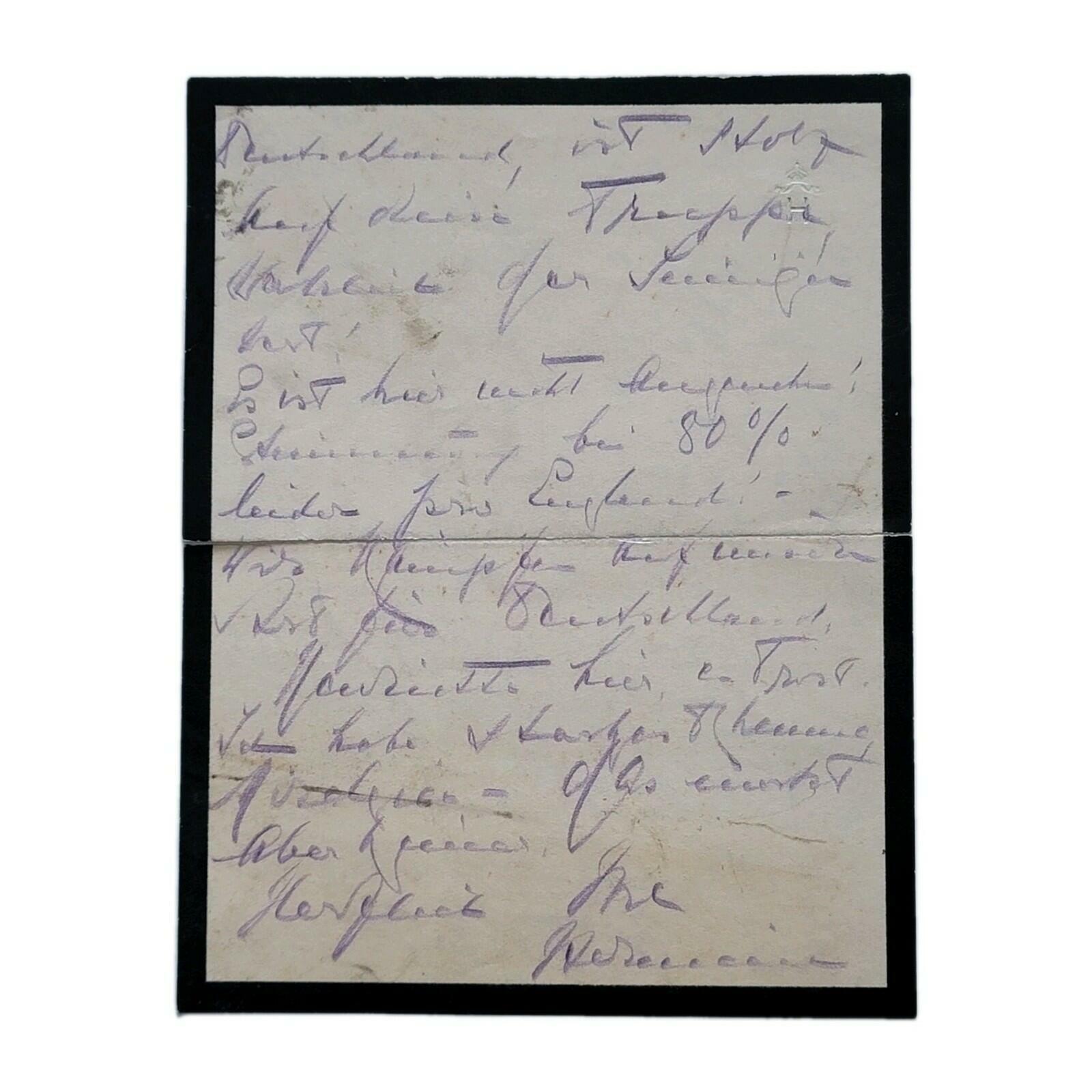
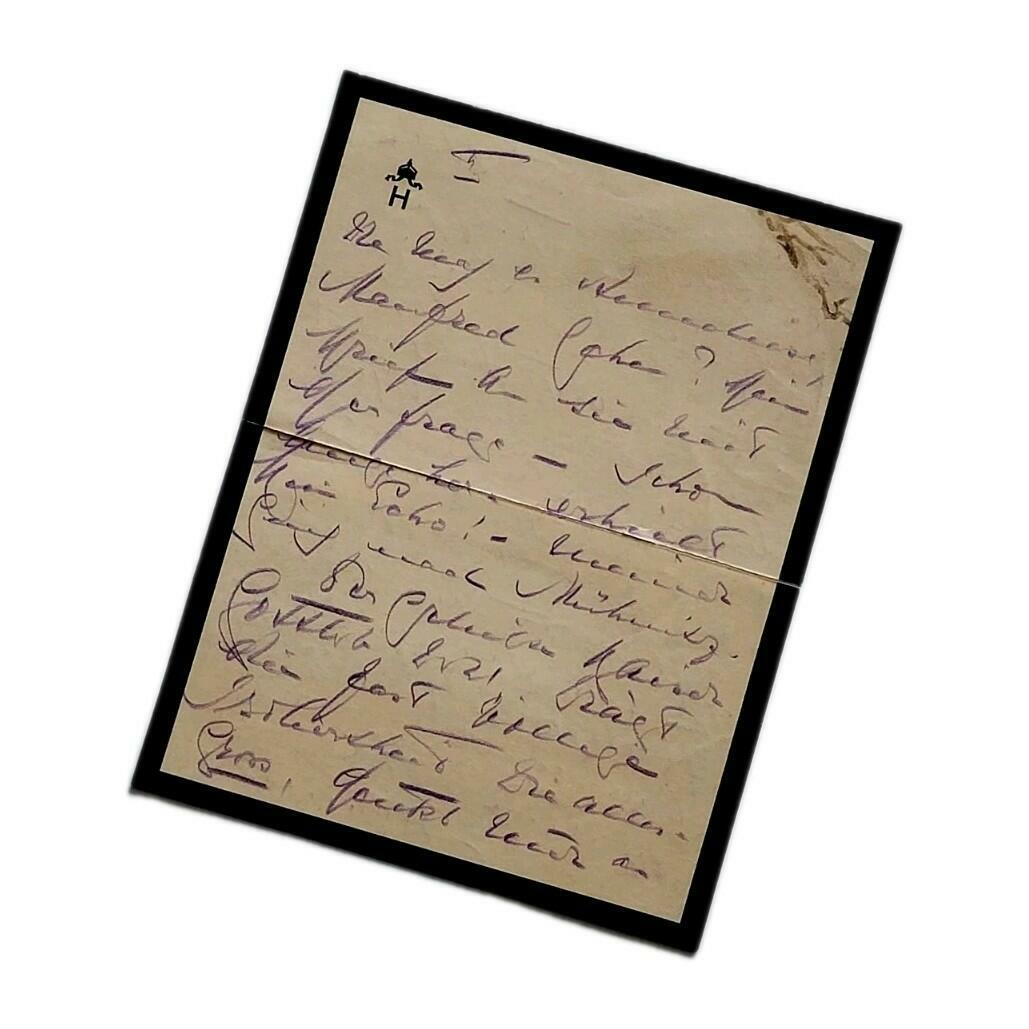
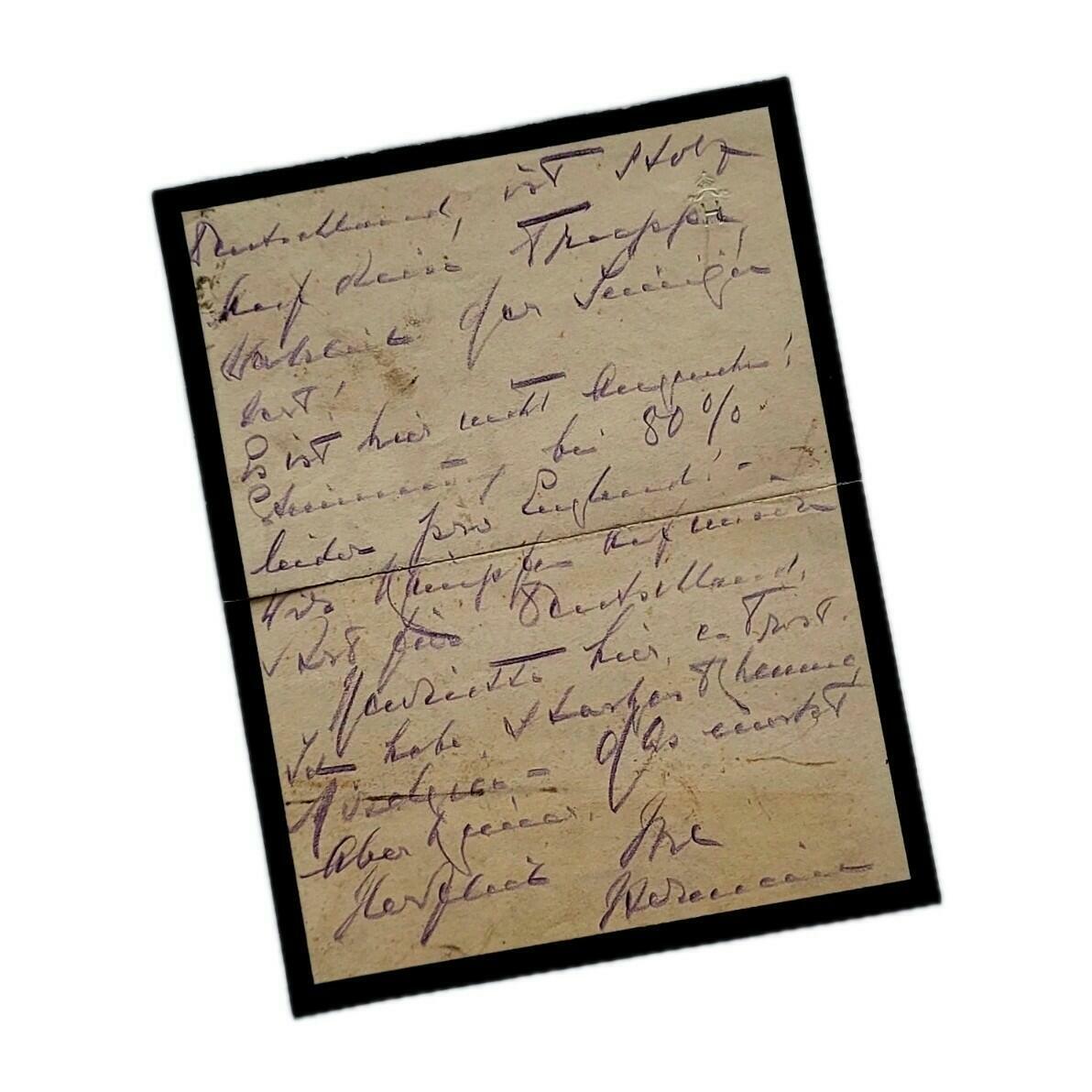
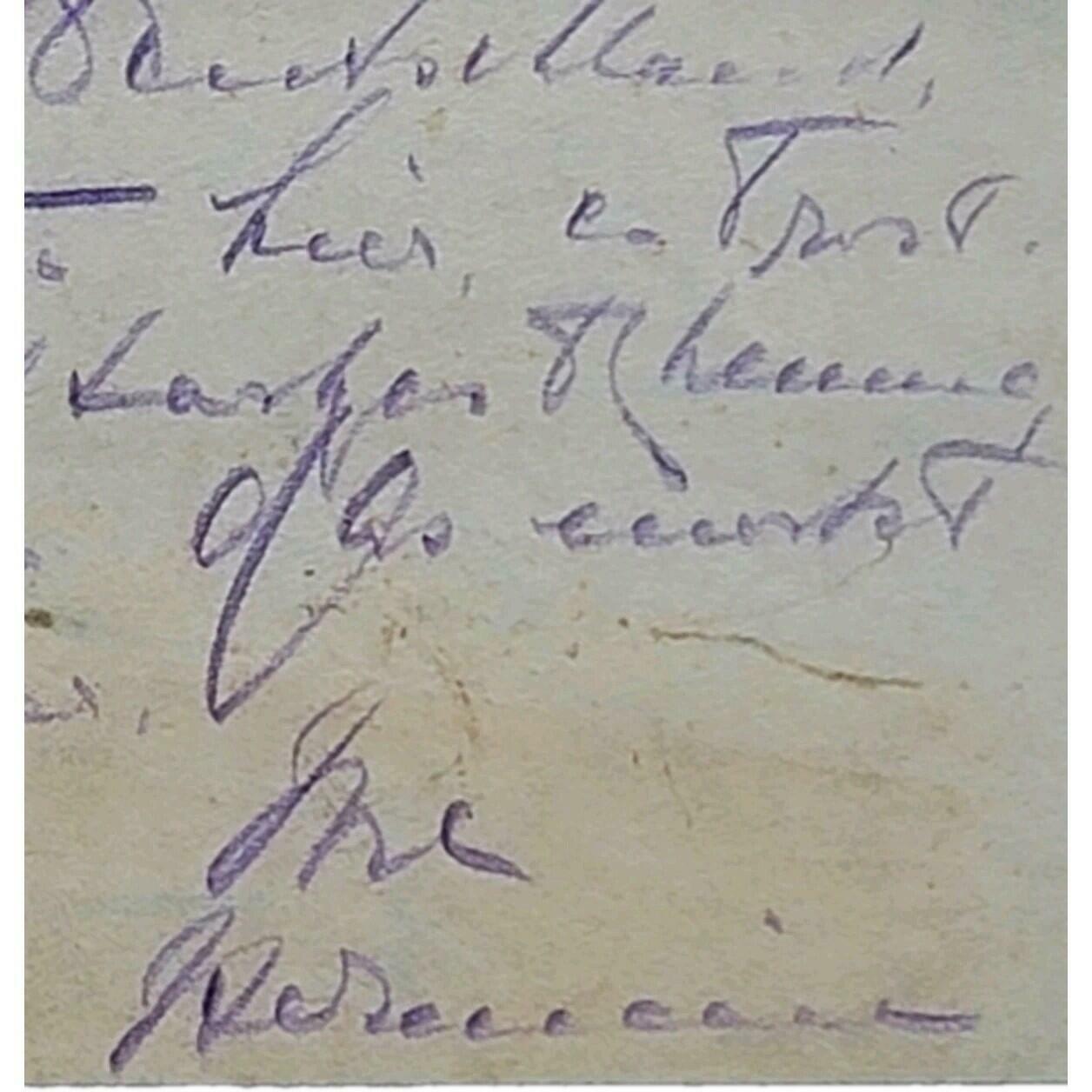
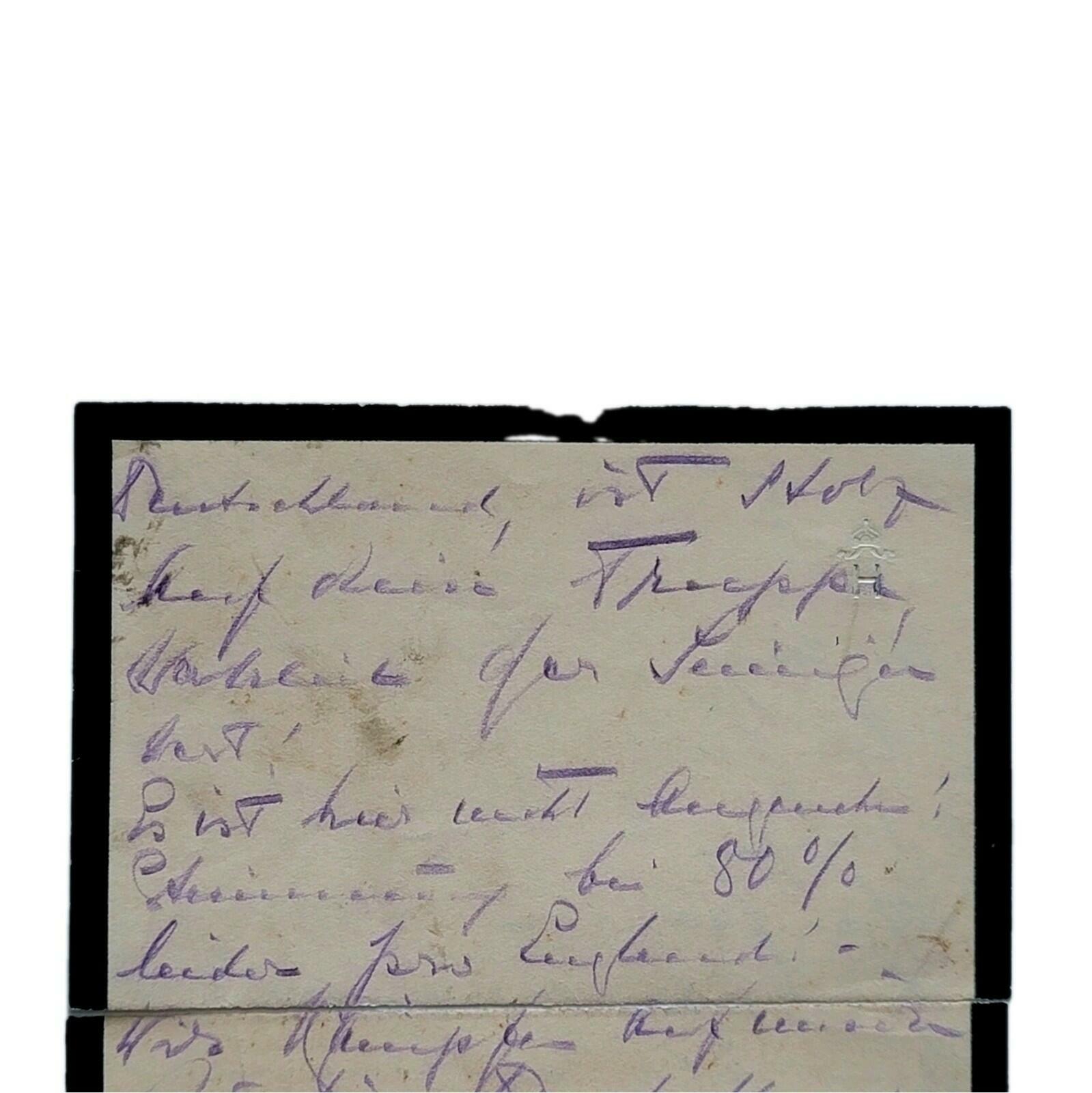
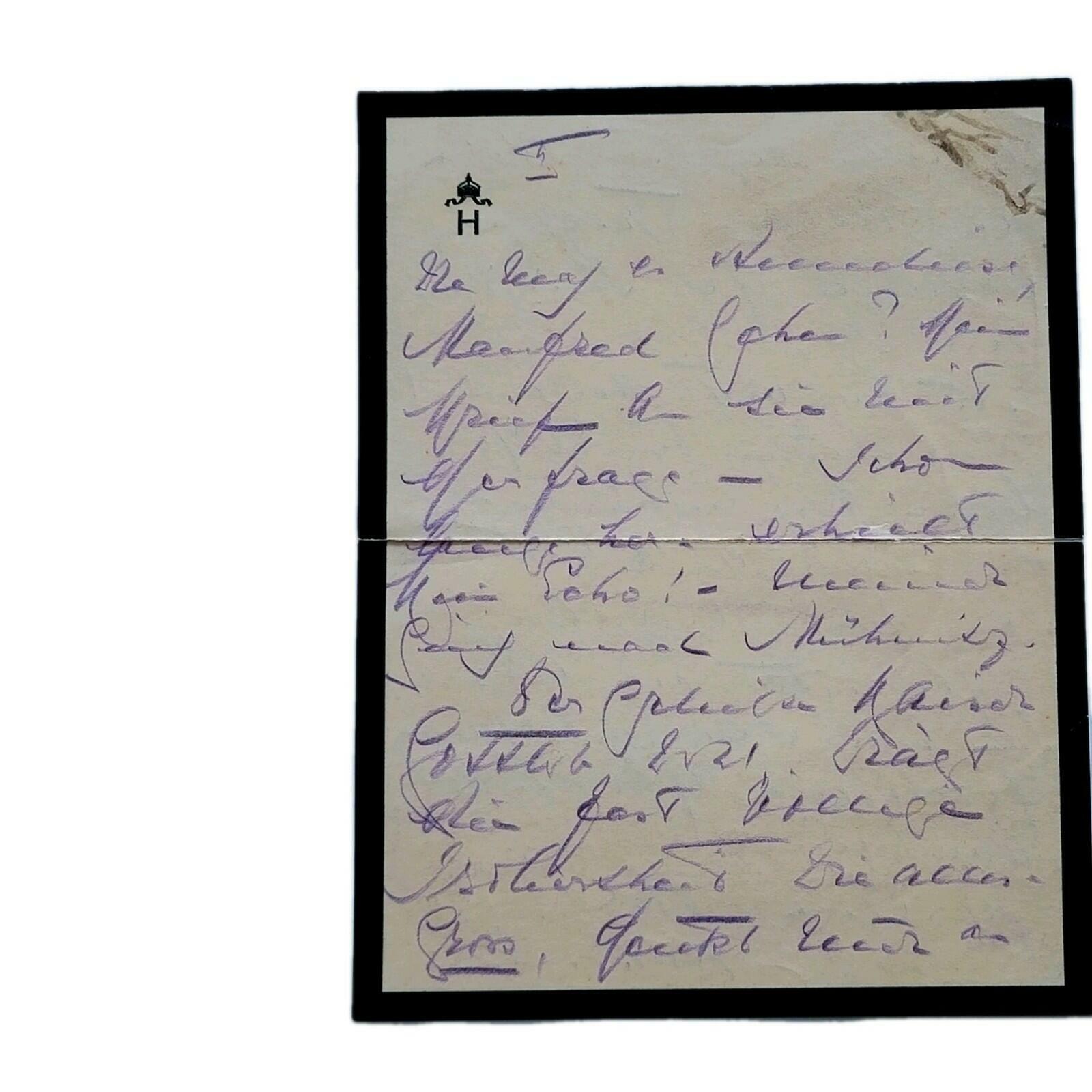
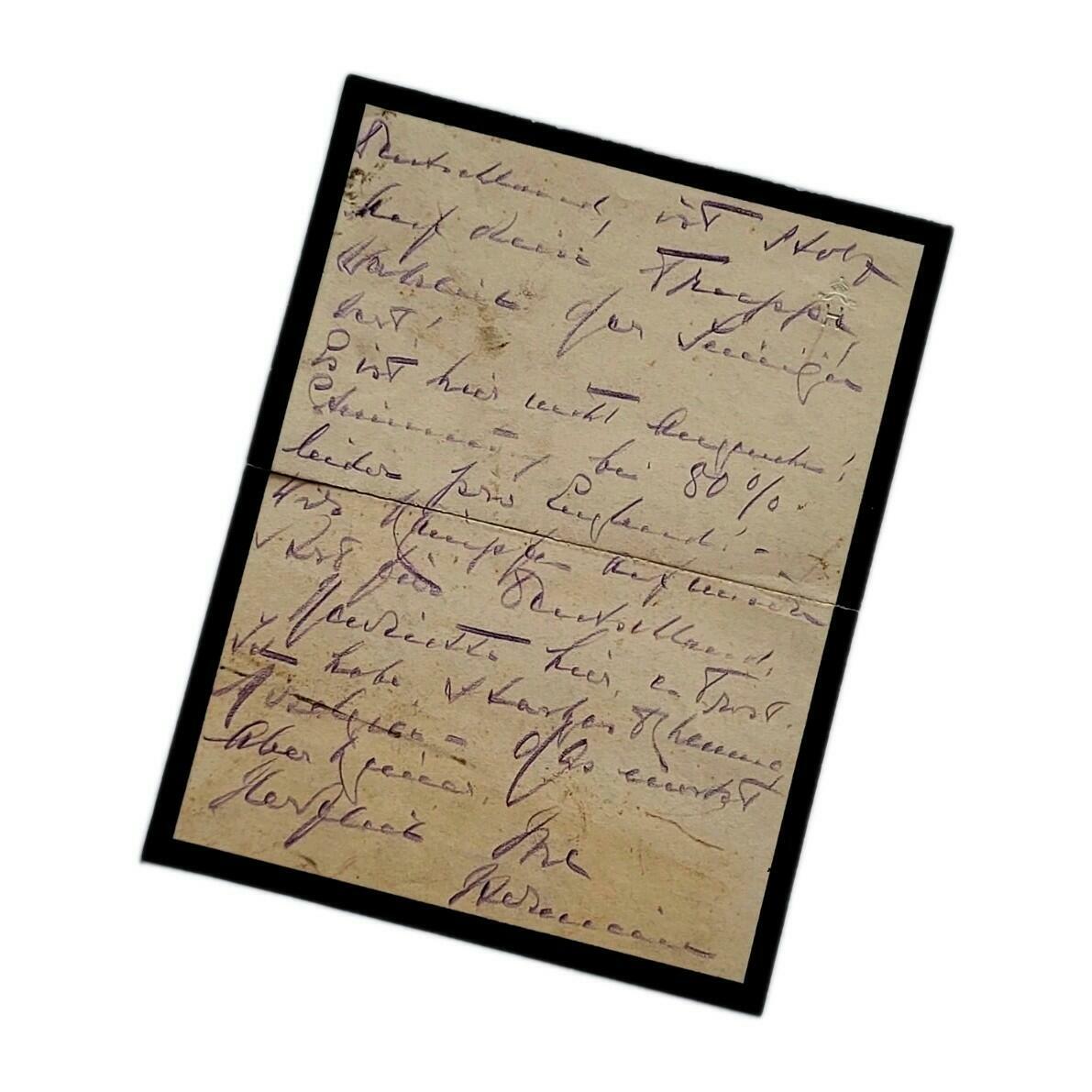
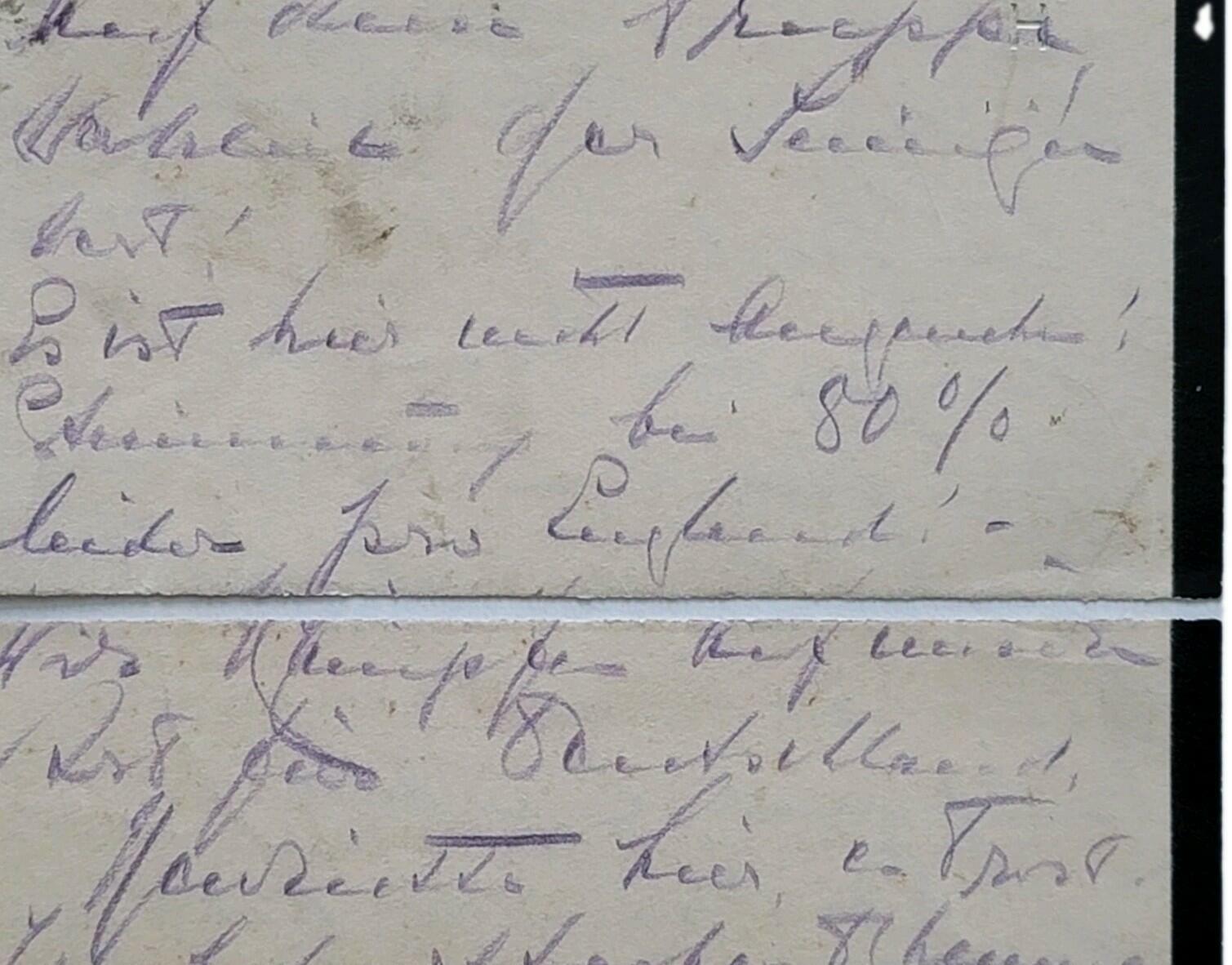
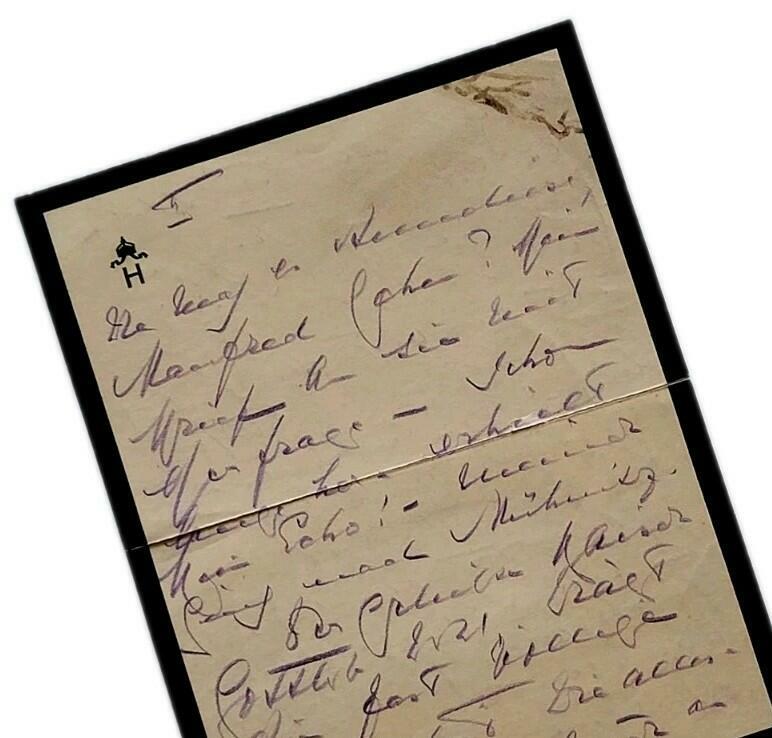
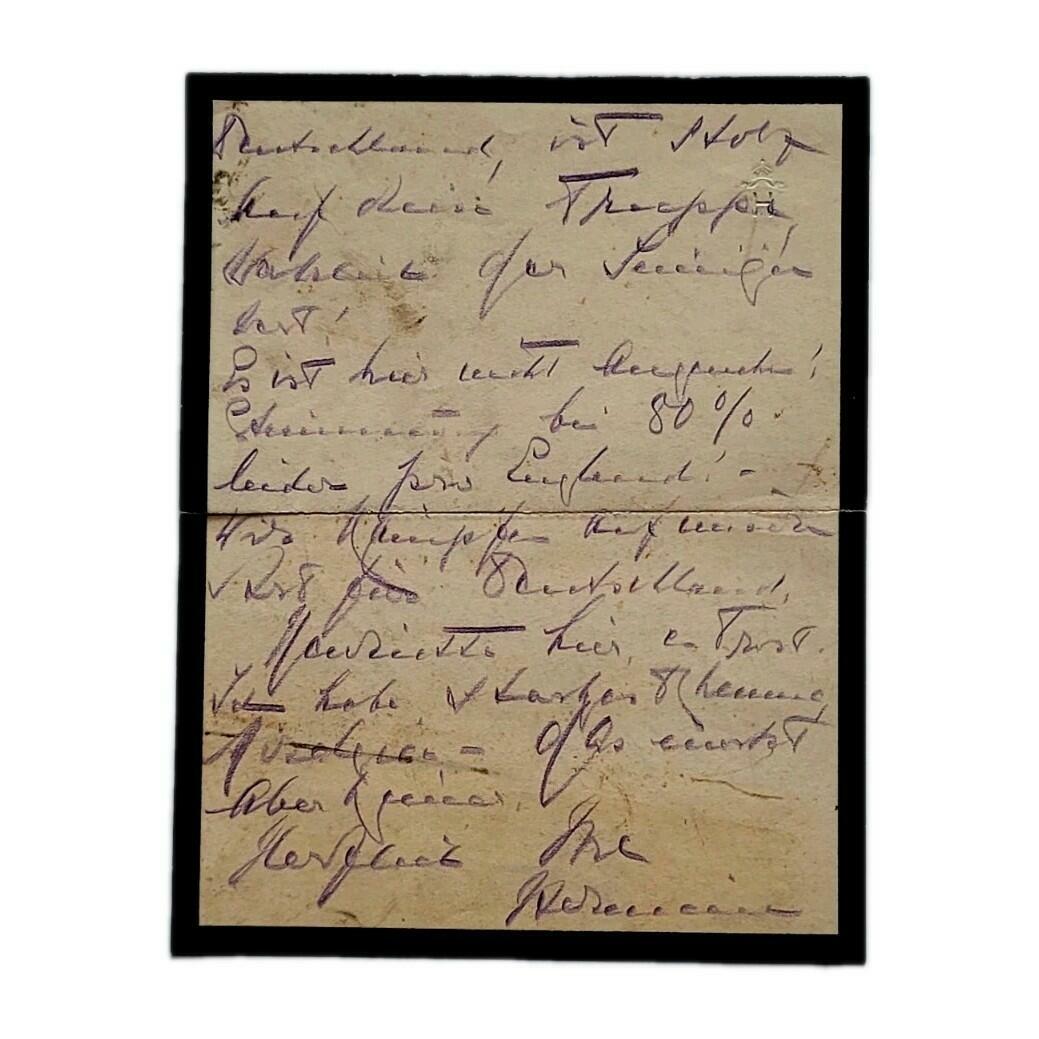
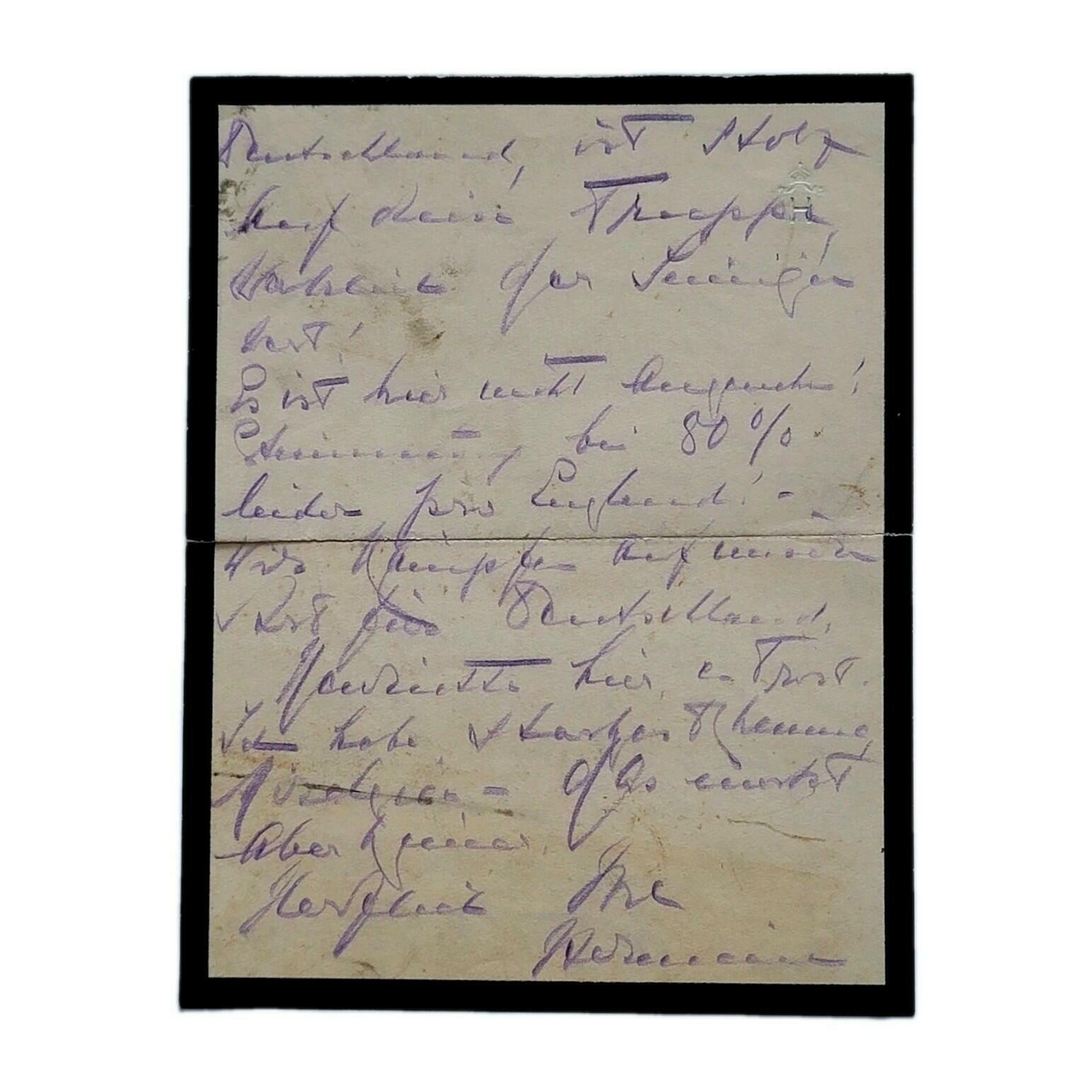
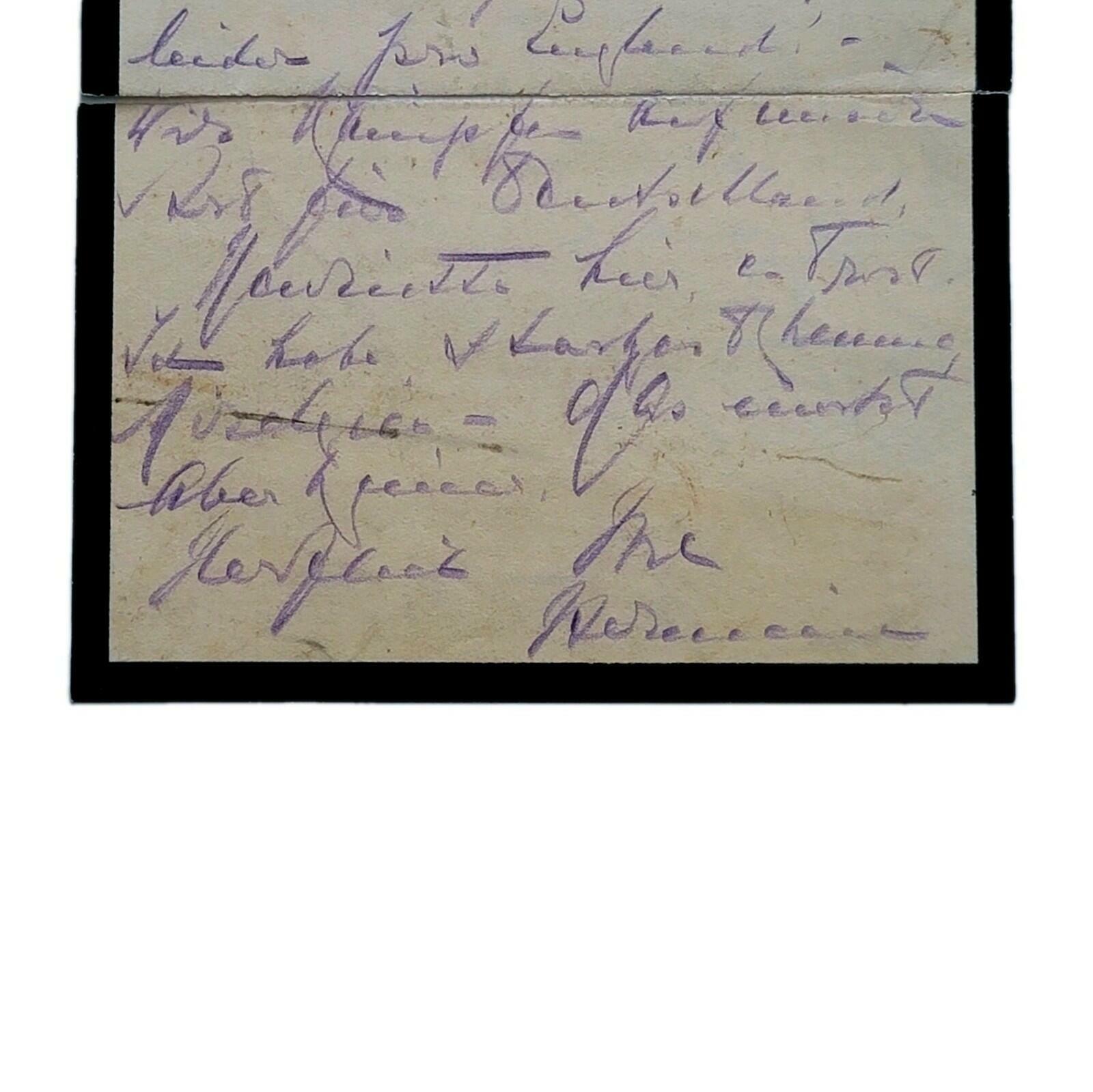
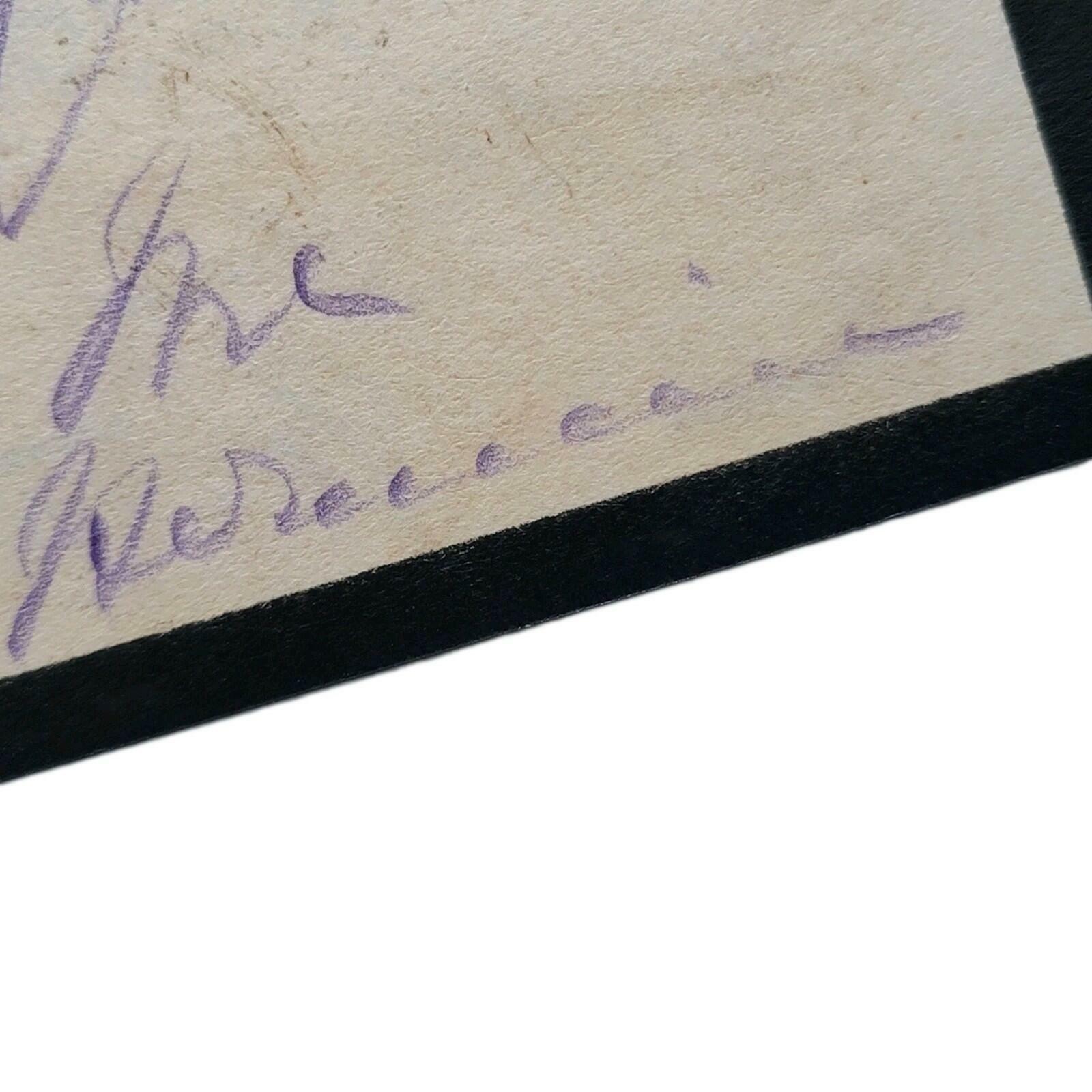
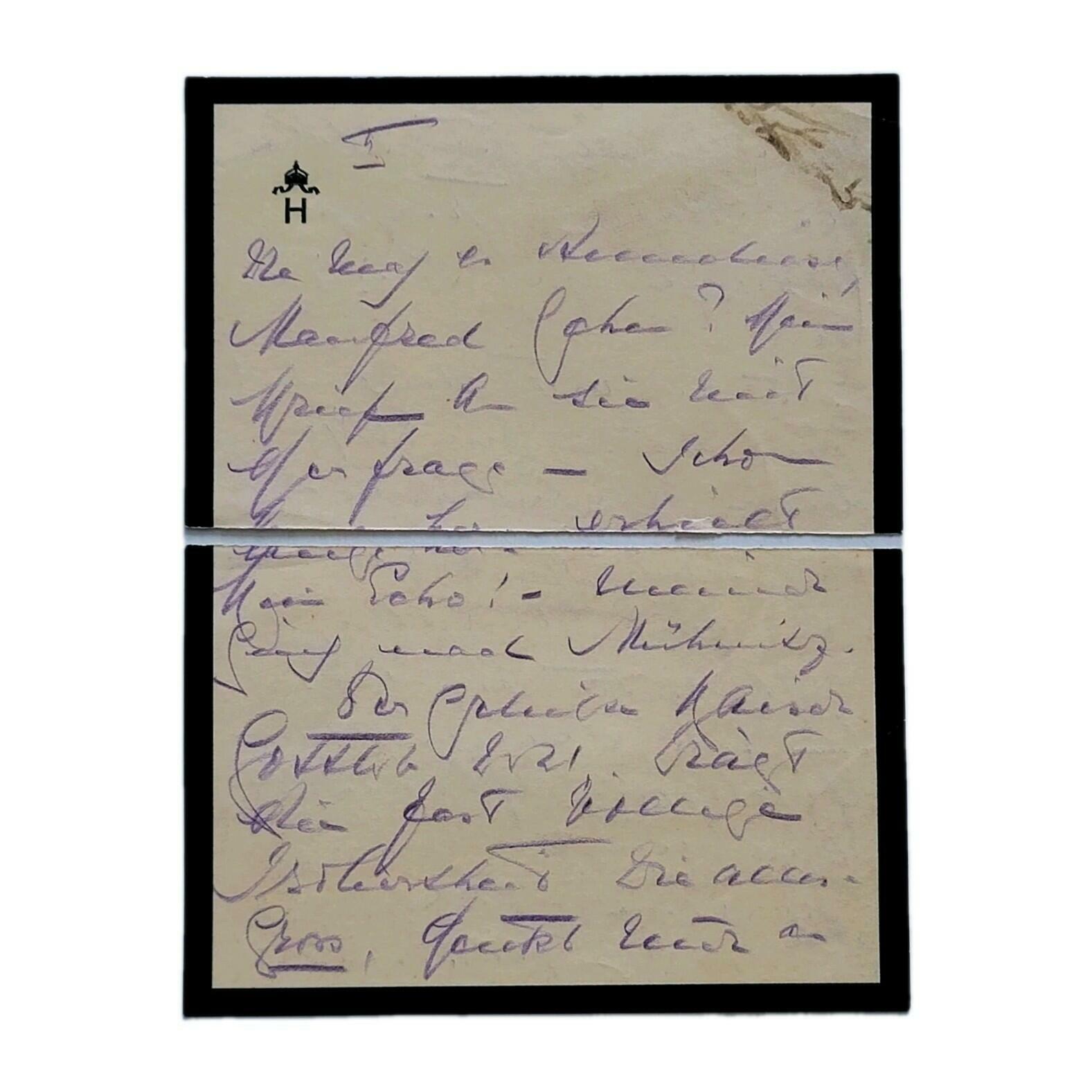
For your consideration, an original autograph letter signed by Empress Hermine Reuss of Greiz (18871947), second wife of Kaiser Wilhelm II and the last German Empress, written entirely in her hand and signed “Hermine” during the final decade of the Hohenzollern exile at Huis Doorn in the Netherlands, circa 1935. Executed in Hermine’s characteristic purple indelible pencil upon her personal crowned “H” stationery, the letter is additionally distinguished by its embossed black mourning border, reflecting the traditional aristocratic and royal practice of mourning correspondence. Measuring approximately 6 x 7.5 inches, the sheet is composed of fine laid paper retaining visible chain-line characteristics and exhibiting the refined materials expected of the former German Imperial Court even after the monarchy’s fall. Entirely holograph in content and signature, the document represents a rare and intimate surviving record of the private communications of the exiled imperial household.
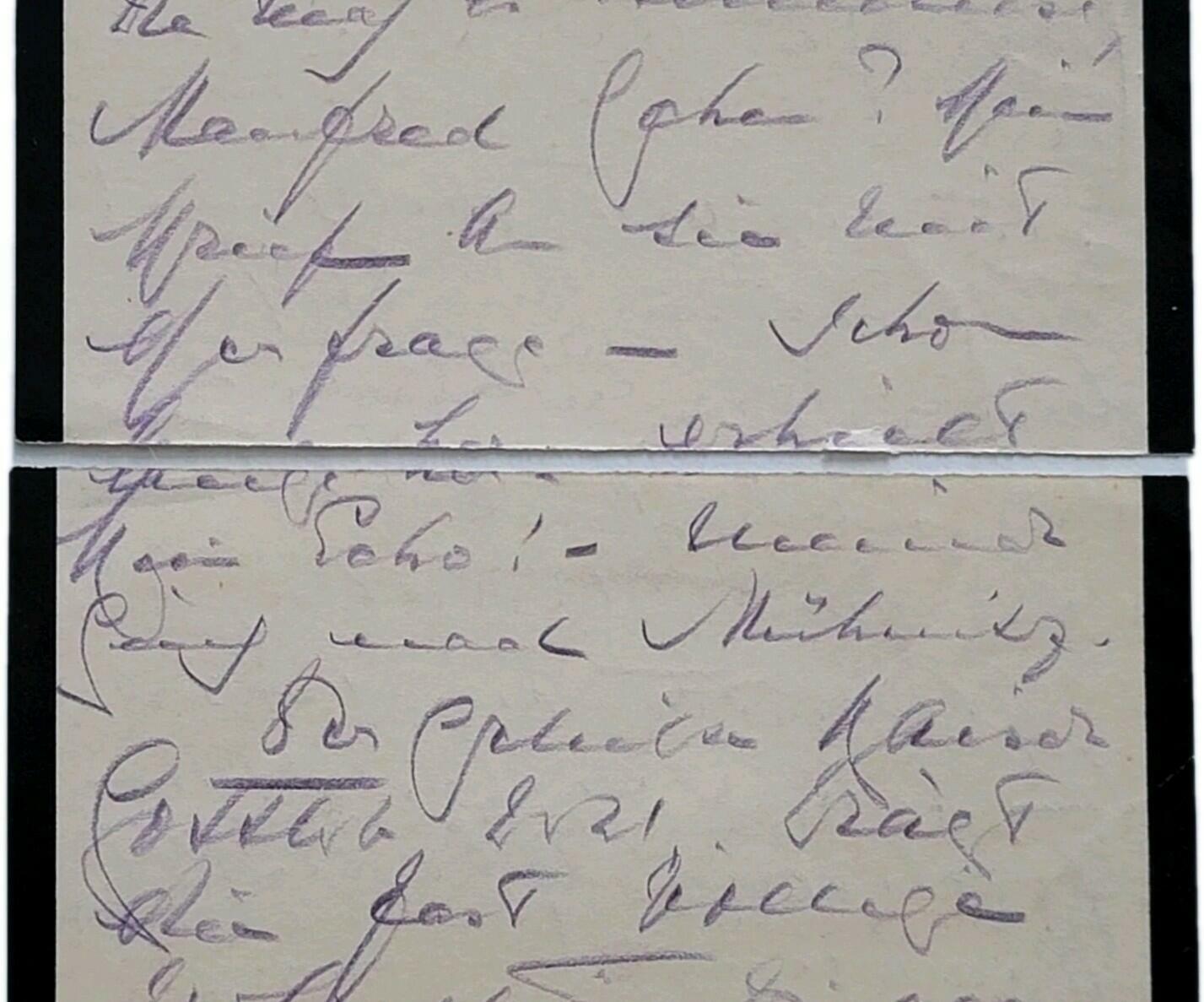
Of particular historical interest is the letter’s apparent reference to Manfred von Richthofen (18941975), prominent German aristocrat, military officer, sports administrator, and cousin of the celebrated First World War fighter ace Manfred von Richthofen, the “Red Baron.” By the mid-1930s, Richthofen occupied a notable position within Germany’s conservative and aristocratic establishment and moved within many of the same social and monarchist circles that remained connected to the former Imperial Court. The correspondence further contains references to telegraphic communications, ongoing inquiries, and reported conditions or progress relating to the matter under discussion, providing a revealing glimpse into the network of personal relationships and information exchanges that continued to bind together Germany’s former ruling elite during the interwar period.
Written during the exile years at Huis Doorn, the present letter belongs to the final chapter of the German monarchy. Following Kaiser Wilhelm II’s abdication in 1918 and subsequent exile to the Netherlands, Huis Doorn became the symbolic center of the displaced House of Hohenzollern. After her marriage to Wilhelm in 1922, Hermine assumed a central role within the exiled court, serving as companion, intermediary, hostess, and correspondent while maintaining contact with aristocrats, monarchists, military figures, and members of Europe’s surviving royal houses. While signed photographs of Hermine are encountered with some frequency, substantive autograph letters written entirely in her own hand remain considerably scarcer and provide a far more direct connection to the daily operation of the former Imperial household.
Unlike formal court documents or ceremonial presentation pieces, the present letter preserves the immediacy of private communication. Its references to telegraphic exchanges, ongoing inquiries, and personal discussions offer valuable insight into the functioning of aristocratic networks during the turbulent years between the collapse of Imperial Germany and the outbreak of the Second World War. Such material survives as primary-source evidence of the social world that continued to surround Kaiser Wilhelm II and Empress Hermine long after the disappearance of the German monarchy.
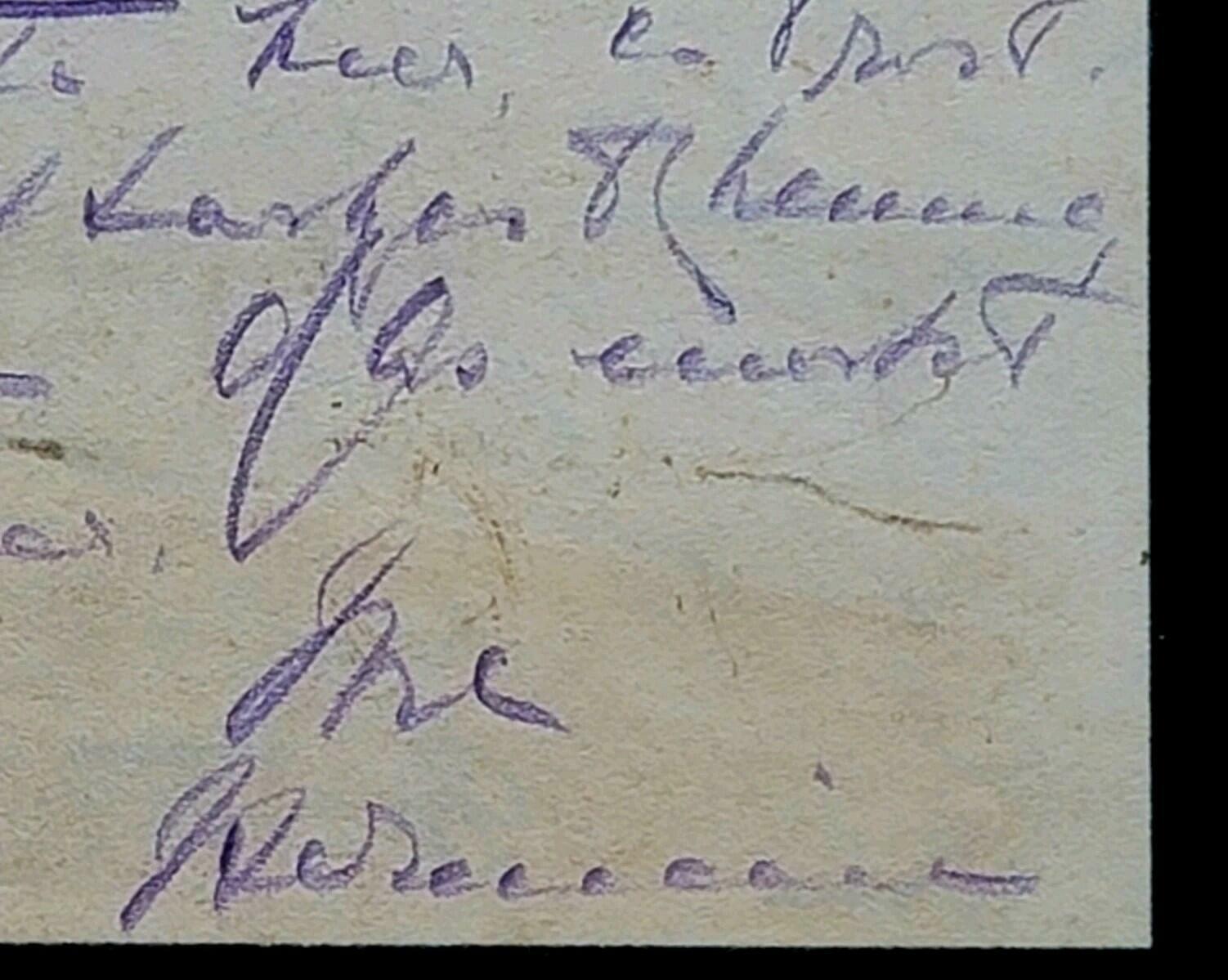
Condition is consistent with a genuine working letter preserved for nearly a century. The laid paper displays expected age toning and handling wear, together with original mailing folds and a separation along the central fold from repeated folding and use. The embossed mourning border remains clearly visible, as does the crowned imperial “H” monogram. The autograph content is strong throughout, and the closing signature “Hermine” remains fully legible. As an entirely handwritten and signed letter of the last German Empress, written on mourning stationery during the Huis Doorn exile years and referring to Manfred von Richthofen within the context of the surviving aristocratic networks of interwar Germany, the document represents a rare, historically significant, and highly desirable relic of the final generation of the House of Hohenzollern.
Reviews
There are no reviews yet.